
If you grew up in the 90s, you probably remember living rooms that felt warm, a little wild, and completely unapologetic about color. These 90s interior design ideas bring that feeling back, without the carpeted bathroom or the matchy-matchy bedroom set. Designers are pulling the best of the decade into modern homes right now, and the trick is choosing one or two bold moves instead of recreating a whole 1994 catalog page.
The 90s look works because it was built for real life: deep hunter green, warm honey oak, brass that glows, and patterns that actually make you smile. Below you will find 10 90s interior design ideas for every room and budget, from a $12 wallpaper border to a thrifted sectional that anchors the whole living room. Pick two or three to start, and your home will feel nostalgic and fresh at the same time.
1. 90s Interior Design Starts with a Hunter Green Accent Wall
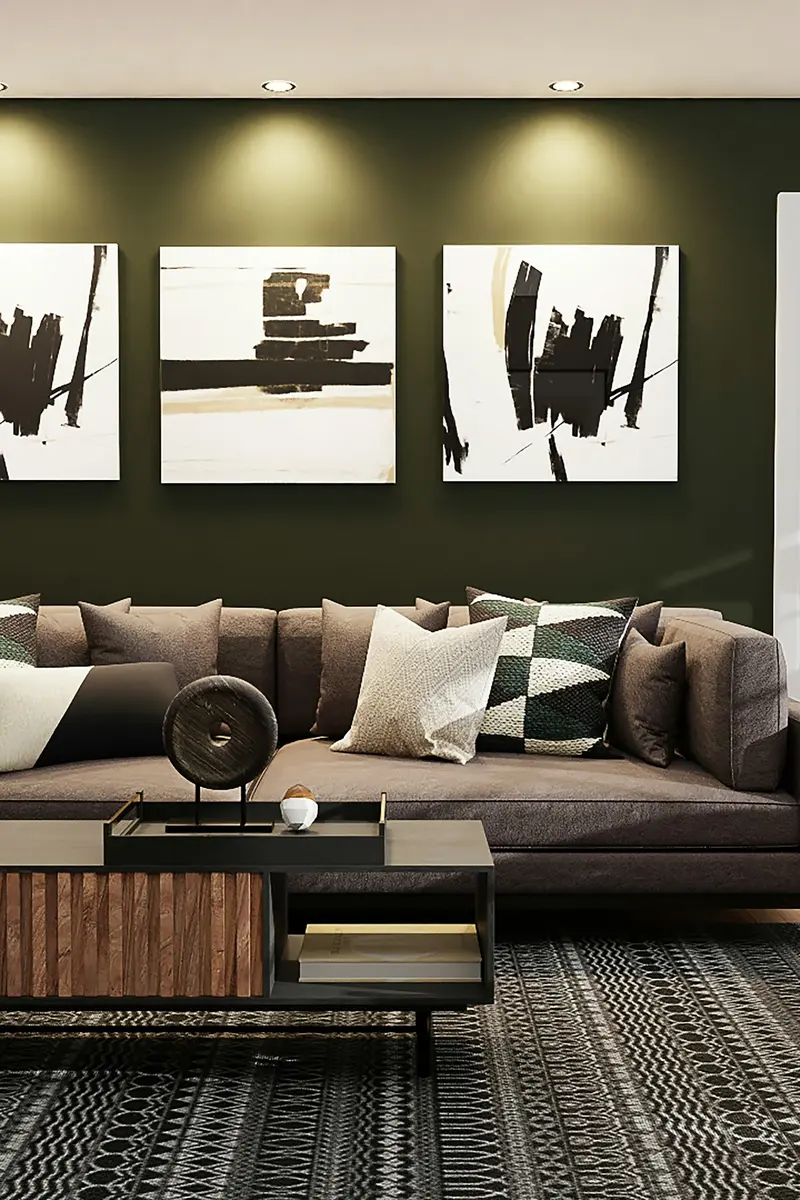
Hunter green was the defining color of the decade, and it is the single fastest way to get the 90s look. One deep green wall behind a sofa or bed instantly sets the mood, and it makes warm wood, brass, and cream textiles look richer. This is the anchor move for 90s interior design, so start here if you only do one thing from this list.
You will need: one gallon of deep green paint, painter’s tape, a roller, and a brush for the edges. Cost: $35–$60 for one wall, or under $20 if you already own the tools.
Paint the wall that your sofa or bed faces, so the color greets you when you walk in. Keep the other walls warm white or soft cream, and let the green carry the drama. Two coats usually cover well, and a satin finish is easier to wipe clean than flat paint.
Tip: Test the shade on a poster-board swatch first and check it in evening light — hunter green can read almost black in a dim room, so pick a green with a little warmth in it.
Variation: If paint feels too permanent, try a deep green peel-and-stick wallpaper on the same wall. It gives you the same depth and peels off cleanly when you are ready for a change.
2. Go Bold with Memphis Geometric Patterns
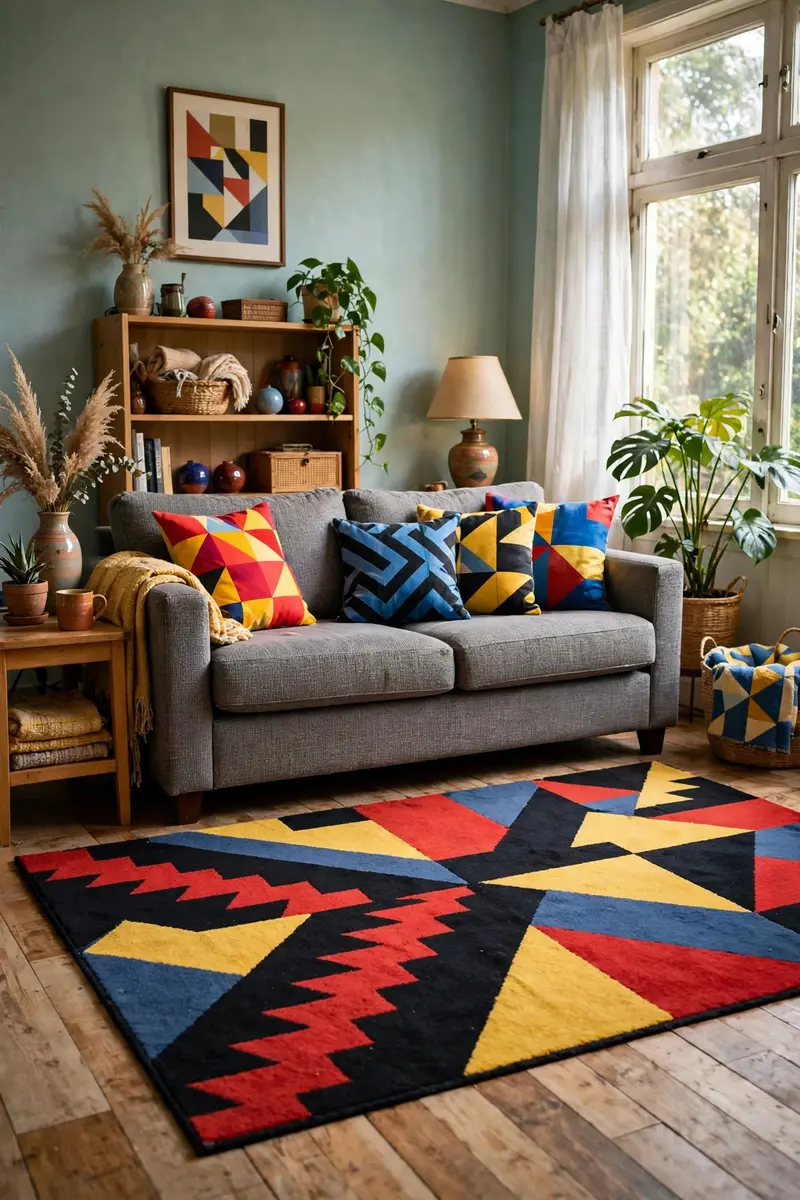
The 90s loved geometry: zigzags, squiggles, triangles, and confetti dots showed up on rugs, pillows, and wallpaper. A Memphis-style pattern adds instant energy to a room, and it is the easiest way to make a plain modern sofa look like it belongs in a 90s interior design scheme.
You will need: one geometric rug or two to three patterned throw pillows in bold colors. Cost: $25–$80 for pillows, $60–$150 for a rug, or under $30 if you thrift them.
Start with one patterned piece, not five. A geometric rug under the coffee table or a pair of zigzag pillows on a solid sofa gives you the punch without the chaos. Let the pattern pick up one color from the rest of the room so everything feels connected.
Tip: Keep the biggest pattern on the floor or the sofa, and use smaller-scale versions of the same shapes on cushions — two scales of one pattern look designed, while five different patterns look like a yard sale.
Variation: Paint a simple geometric border on a plain lampshade or tray with acrylic paint. It is a $5 weekend project that delivers the same Memphis wink. This tiny project is a good first test of 90s interior design before you commit to bigger pattern moves.
3. Bring Back the Glass Block Feature
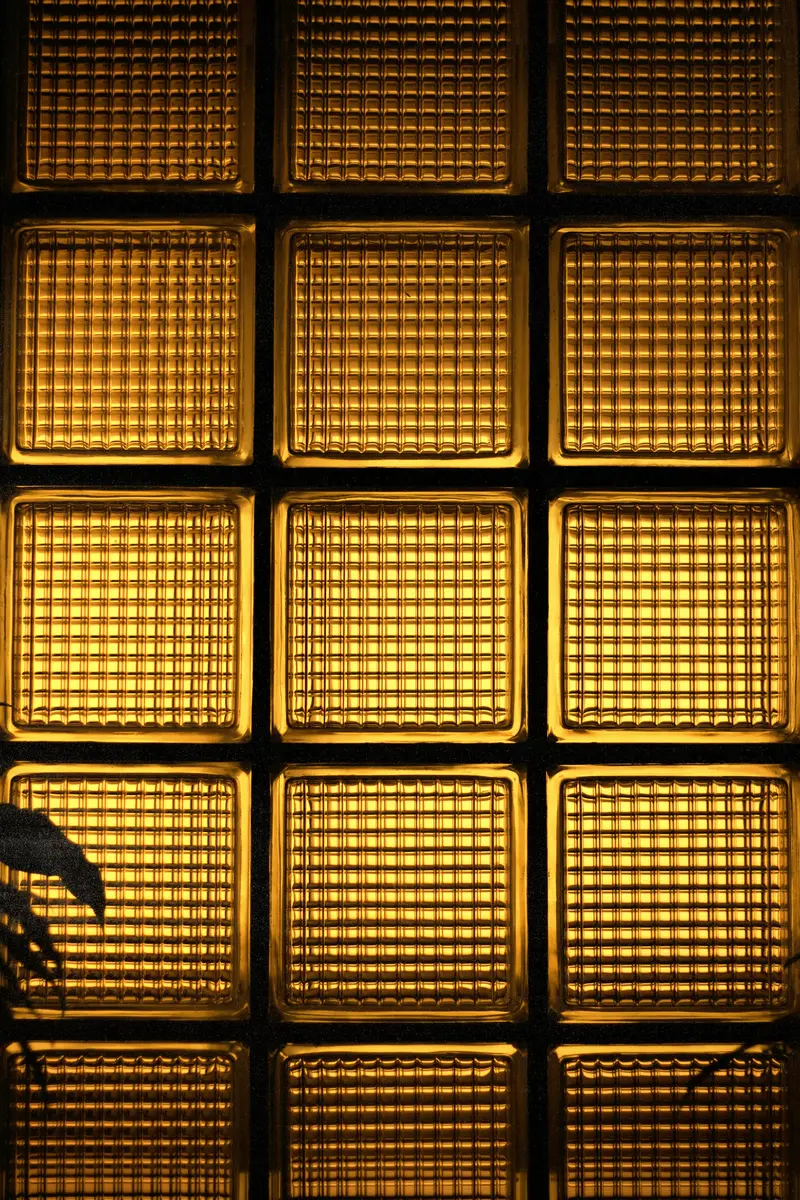
Glass blocks were the 90s answer to privacy with light: they divided rooms, lit up showers, and glowed like a lantern at night. A small glass block feature brings that same glow back, and it is one of the most recognizable moves in 90s interior design.
You will need: glass block panels or individual blocks, plus construction adhesive or a ready-made panel kit. Cost: $80–$200 for a small feature panel, or $15–$40 for a single glass block lamp base.
The easiest modern version is a glass block room divider or a half-wall between a living area and a hallway. If construction feels like too much, start smaller: a glass block lamp, a vase, or a set of blocks stacked as a side table base gives you the glow with zero tools.
Tip: Put a warm LED strip or a small lamp behind the blocks so they glow in the evening — that backlit effect is what made glass blocks feel magical in the first place. That glow is the signature of 90s interior design at its most theatrical.
Variation: Use glass block tiles as a kitchen backsplash accent strip. You get the light play and the retro nod in a renter-friendly, wipeable form.
4. Swap In Brass and Gold Hardware
In the 90s, everything metal was brass: doorknobs, cabinet pulls, light fixtures, and picture frames all carried that warm golden glow. Swapping your hardware is the cheapest high-impact move on this list, and it warms up a whole room in an afternoon.
You will need: brass cabinet pulls, a brass doorknob or two, and a screwdriver. Cost: $3–$8 per pull, $40–$90 to redo a whole kitchen’s worth of pulls.
Start with the most-touched spots: kitchen cabinet pulls, the front door handle, and the bathroom faucet handles if you own the place. Unlacquered brass ages beautifully, while polished brass stays bright and reads more glamorous. Pick one finish and use it everywhere for a pulled-together look. That single finish is the quietest way to bring 90s interior design into a room that is otherwise completely modern.
Tip: Mix your brass with one other warm metal at most — brass plus matte black is a classic pairing, but brass plus chrome plus copper starts to feel scattered.
Variation: If new hardware is not in the budget, spray-paint your existing pulls with a brass-finish metallic paint. A $7 can covers a whole kitchen, and the result looks surprisingly real from a normal distance.

5. 90s Interior Design Loves an Oversized Sectional
The oversized sectional was the heart of the 90s living room: deep seats, soft cushions, and room for the whole family plus the dog. A big, sink-in sectional makes a room feel instantly welcoming, and it is the piece that turns a decorated room into a lived-in one.
You will need: a sectional sofa, or a deep two-seater plus a matching ottoman if space is tight. Cost: $400–$1,200 new, or $80–$250 thrifted and steam-cleaned.
Look for low arms, deep seats, and a sturdy frame — the 90s versions were built to last, which is why so many still show up at thrift stores. Dress it with a mix of solid and patterned cushions in warm tones, and add a soft throw over one arm so it invites you to sit down.
Dress the sectional with cushions in two textures, such as velvet and linen, so the seating feels layered rather than flat. A throw in a warm plaid or a bold stripe ties the sofa back to the rest of the room’s palette.
Tip: Measure your doorways before you buy, especially for thrifted sectionals — 90s sectionals were wide, and a sofa that will not fit through the door is a very expensive lawn ornament.
Variation: No room for a sectional? A deep loveseat with a big floor cushion and a pouf gives you the same lounge-anywhere feeling in a small space. For more small-room tricks, see our small living room decor ideas on a budget.

6. Mix Floral Upholstery with Stripes and Plaids
Pattern mixing was the 90s superpower: florals on the sofa, stripes on the curtains, and a plaid throw tossed over the arm, all in one room. Done right, it feels collected and joyful instead of chaotic, and it is the most fun way to play with 90s interior design.
You will need: one floral piece (chair, cushion covers, or curtains) plus one striped or plaid piece in a shared color. Cost: $30–$90 for cushion covers and a throw, $150–$400 for a reupholstered thrifted chair.
The rule that keeps it working is one shared color. Pick a floral with a deep green or burgundy base, then choose stripes or plaids that contain that same color. Keep the largest pattern on the biggest piece, and let the smaller patterns stay quieter so your eye has somewhere to rest.
Tip: If you are nervous, start with just two patterns in one corner — a floral cushion and a striped throw on the same chair — and live with it for a week before adding a third.
Variation: Try the mix in a bedroom instead, where the stakes feel lower. Floral bedding with a plaid throw and striped pillow shams is a classic 90s combination, and it pairs beautifully with the ideas in our boho teen bedroom ideas if you want a softer, younger take.

7. Add Wicker and Rattan Furniture
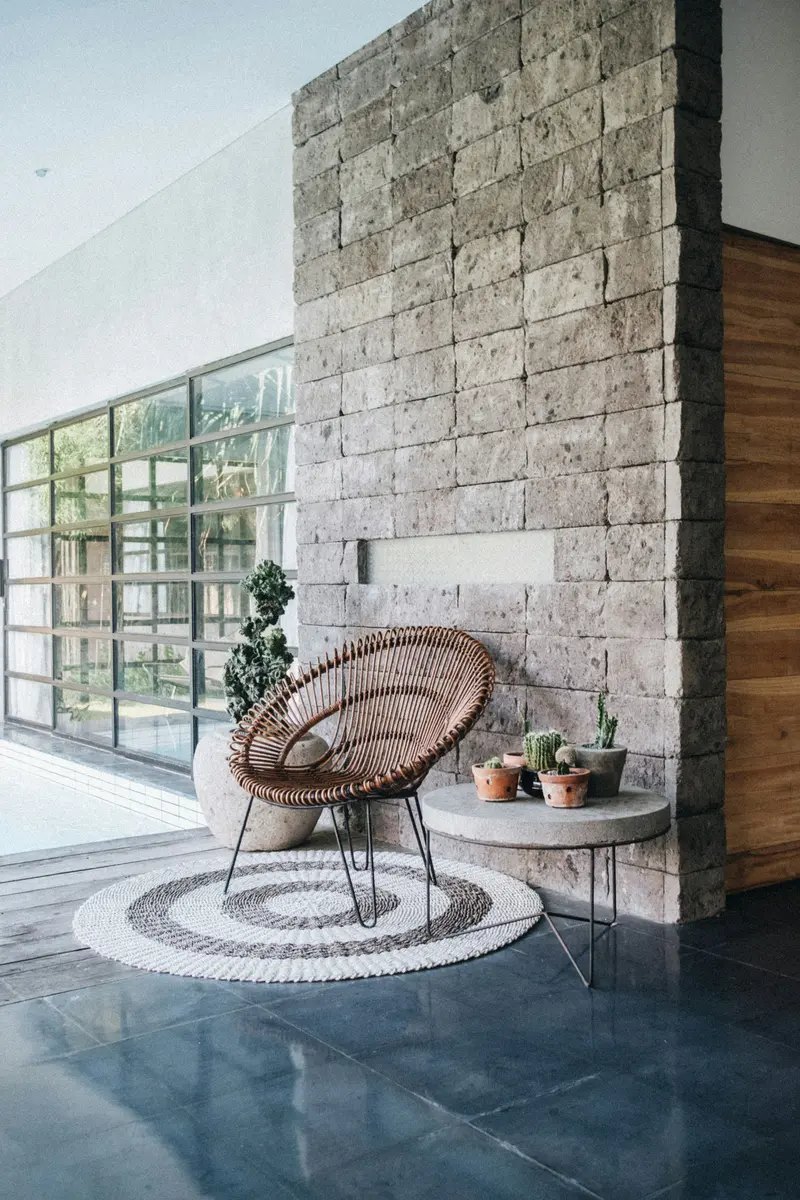
Wicker and rattan were everywhere in the 90s, from peacock chairs to plant stands to whole dining sets. The natural texture warms up a room instantly, and a single rattan piece can soften a space that feels too sleek or too gray.
You will need: one rattan chair, a wicker basket set, or a rattan plant stand. Cost: $25–$60 for baskets and stands, $80–$250 for a chair.
A rattan armchair in a reading corner is the classic move, but do not overlook the small pieces: wicker baskets corral blankets and toys, and a rattan tray on the coffee table adds texture for under $20. The honey tones of natural rattan pair perfectly with hunter green walls and brass hardware from the ideas above.
Tip: Check thrift stores first — solid rattan furniture is nearly indestructible, so secondhand pieces are usually a bargain, and a quick wipe with warm soapy water makes them look new. Secondhand rattan is the thriftiest entry point into 90s interior design, and the pieces are built to outlast trends.
Variation: If real rattan is hard to find, look for resin wicker in a natural tone for a porch or sunroom. It handles humidity better and still reads as warm and 90s.
8. Glow Up with a Lava Lamp and Neon Accents
Nothing says 90s quite like the slow, hypnotic blob of a lava lamp, and designers are bringing it back as part of the dopamine decor wave. A little glow goes a long way: one lava lamp or a small neon sign turns a plain corner into a conversation piece.
You will need: one lava lamp or a small LED neon-style sign, plus a side table or shelf to display it. Cost: $20–$40 for a lava lamp, $30–$80 for a small neon sign.
Place the lamp where you actually sit in the evening — a bedroom nightstand, a reading nook, or the corner of a living room shelf. Keep the rest of the lighting warm and low so the glow reads as cozy rather than gimmicky. A lava lamp works best as an accent, not as the room’s main light.
Tip: Buy a lava lamp with a dimmer or a low-watt bulb if you plan to run it for hours — the classic ones get hot, and a cooler bulb keeps the wax moving gently instead of overheating.
Variation: Skip the lamp and try neon-style LED strip lights behind a headboard or under floating shelves. You get the same playful color wash, and it doubles as practical evening lighting. The color wash keeps the spirit of 90s interior design alive even in a room with otherwise modern furniture.

9. 90s Interior Design Revives the Wallpaper Border
Wallpaper borders ran along the top of 90s walls like a signature: florals, vines, or geometric bands that framed the whole room. The modern version is a single bold border or a full feature wall, and it is the cheapest way to get an unmistakable 90s look.
You will need: one roll of peel-and-stick border or wallpaper, a smoothing tool, and a utility knife. Cost: $12–$30 for a border roll, $40–$90 for a full feature wall.
Apply the border where the wall meets the ceiling, or run it at chair-rail height around a dining room for a more tailored feel. Peel-and-stick versions are renter-friendly and forgiving — if a strip goes on crooked, you can peel it back and try again. Designers confirm that borders are one of the decade’s items making a real comeback, as this Spruce roundup of 90s decor designers are bringing back shows.
Tip: Measure twice and buy one extra roll — pattern matching at the corners eats more paper than you expect, and running out mid-wall is the classic beginner mistake.
Variation: Try a bold geometric wallpaper on a single wall instead of a border. One wall of big 90s pattern with the rest of the room calm is the modern, grown-up version of the look.
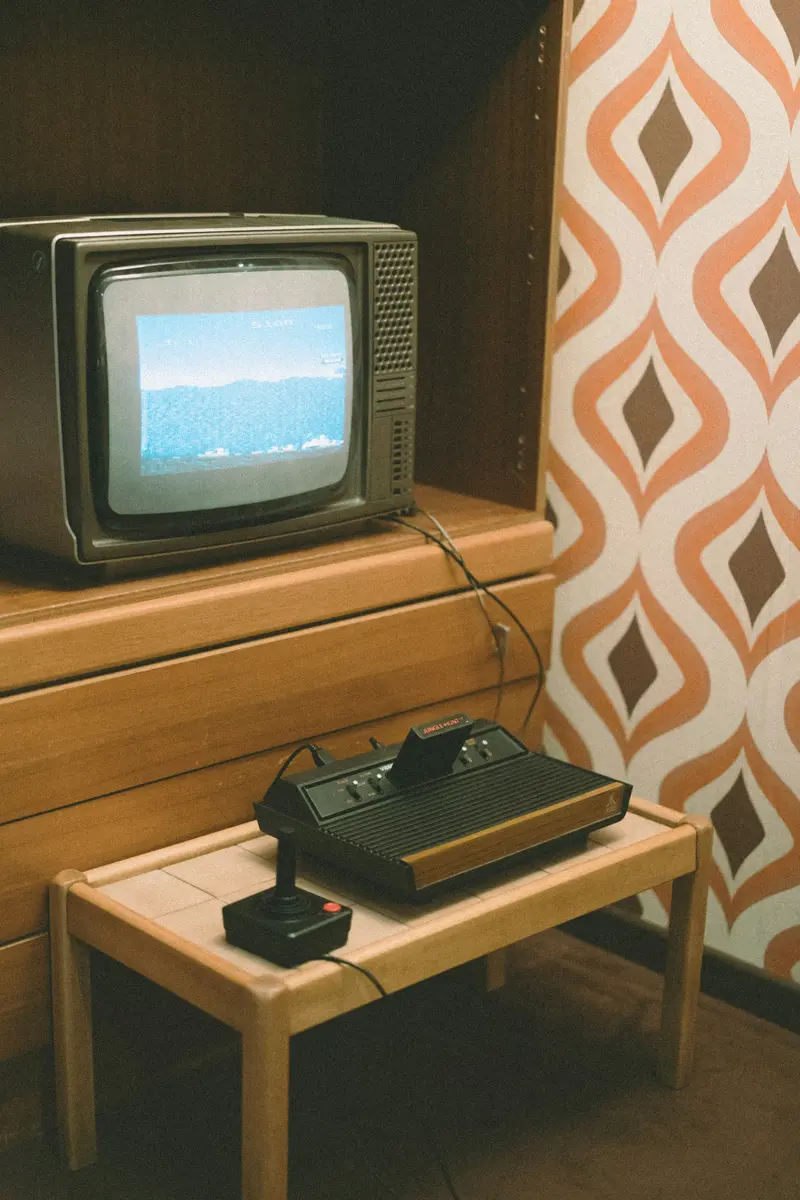
10. Divide a Room with a Beaded Curtain
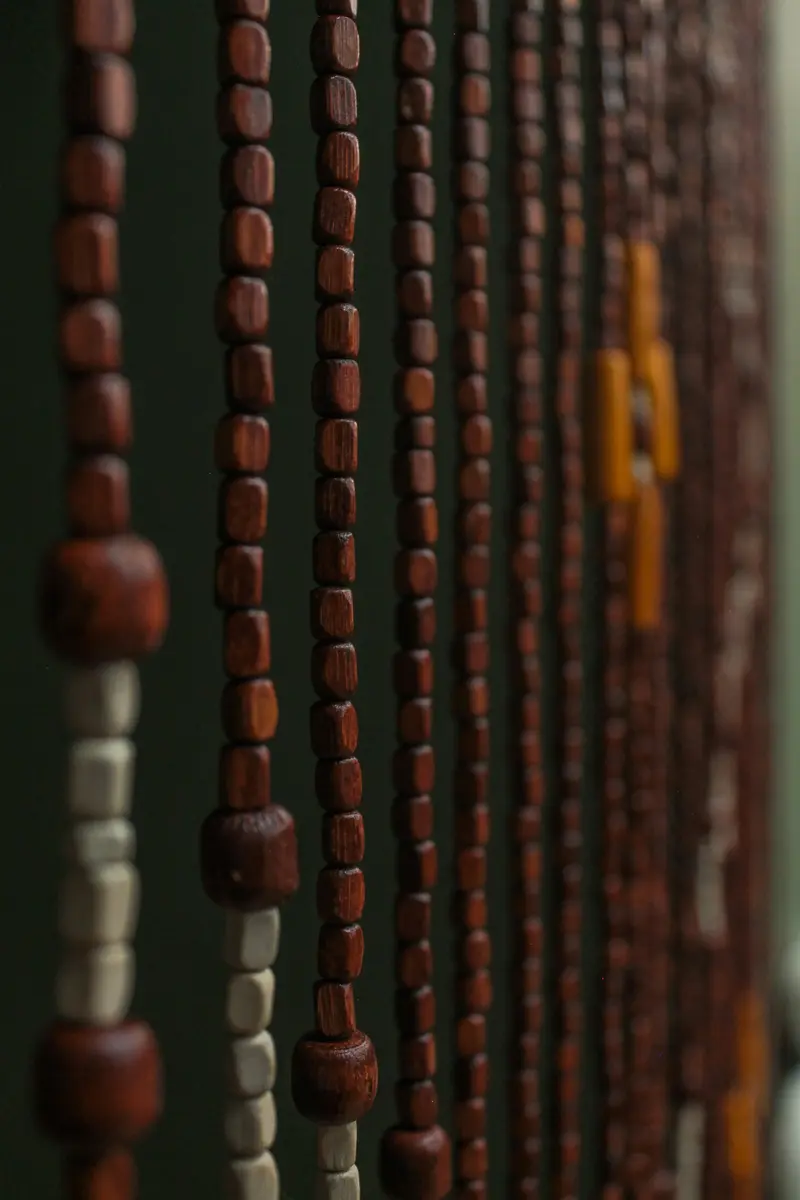
Beaded curtains were the 90s doorway: shimmering strands of wood, glass, or plastic that divided a room without closing it off. They add movement, sound, and a little sparkle, and they are one of the most renter-friendly ideas in this whole list.
You will need: one beaded curtain panel and a tension rod or a cup hook. Cost: $15–$40 for a ready-made panel, $10–$20 if you string your own beads.
Hang the curtain in a wide doorway, across an open closet, or as a backdrop behind a reading chair. Wooden beads read warm and earthy, while clear or iridescent beads catch the light and feel more playful. Keep the strands trimmed so they clear the floor by an inch and do not tangle underfoot.
Beaded curtains also work as a soft backdrop for a desk or a vanity, where they catch the light without blocking it. If you have a wide archway, hang two panels side by side so you can walk through the middle without pushing beads aside.
Tip: If the beads clink too loudly for your taste, add a few felt pads where the strands meet the rod — it softens the sound without changing the look.
Variation: Use a beaded curtain as a closet door replacement in a bedroom. It hides the clutter, costs less than a door, and pairs nicely with the retro touches in our retro bathroom decor if you carry the look through the house.
How do I decorate a 90s style living room?
Start with one bold anchor: a hunter green accent wall or an oversized sectional, then layer in pattern and brass. The 90s living room was built around comfort, so choose deep seats, warm lighting, and a mix of patterns in one shared color family. Add one playful piece, like a lava lamp or a geometric rug, and stop there — two or three 90s moves read as intentional, while ten at once reads as a theme park. That layered, comfortable feeling is the heart of 90s interior design.
What colors define 90s interior design?
Hunter green, burgundy, navy, and mauve led the decade, set against warm beige and honey oak. Mid-decade, Southwestern terracotta and desert sand joined the palette, and pastels like mint and lilac softened bedrooms. For a modern take, use one deep color as your anchor and keep the rest of the room in warm neutrals so the color feels rich instead of heavy.
Is 90s interior design back in style?
Yes, and designers are leading the charge. Natural wood cabinetry, warm color palettes, pattern mixing, and wallpaper are all being revived, with the worst excesses (carpeted bathrooms, matchy bedroom sets) left firmly in the past. The comeback works best when you borrow the warmth and personality of the decade and pair it with cleaner, modern furniture lines.
How can I add 90s decor without looking dated?
Pick one or two elements and let the rest of the room stay current. A brass hardware swap or a rattan chair reads as a deliberate nod, while a full room of 90s pieces reads as a time capsule. Keep your biggest furniture modern and simple, and let the 90s show up in color, pattern, and accessories you can swap out easily. Accessories are the safest place to experiment with 90s interior design, because you can change them in a single weekend.
What is the cheapest way to get a 90s look?
Start with paint and thrift stores. A $12 wallpaper border, a $7 can of brass spray paint for your old hardware, and a $15 thrifted wicker basket can change a room for under $40. Kitchens are a great place to start too — designers love keeping honey oak cabinets and updating the hardware, as this Spruce guide to 90s kitchens explains.
Conclusion
The best 90s interior design ideas are the ones that make your home feel warmer, bolder, and more like you. You do not need a full decade makeover — a hunter green wall, a brass swap, or a single beaded curtain can bring the whole feeling back. The decade rewarded people who mixed freely, and that same freedom is what makes the look feel so good in a modern home. Start with the idea that made you smile, add one more when you are ready, and let the room grow into its 90s personality.
If you try any of these ideas, save this post to Pinterest so you can find it when you are ready to shop or paint. Your future self, standing in front of a freshly painted green wall with a lava lamp glowing beside you, will be glad you did.



Leave a Reply