
If you have ever pictured your baby’s room as a soft, sun-warmed savanna — gentle giraffes, sleepy elephants, and creamy neutrals — then these safari nursery decor ideas are exactly what you have been looking for. A safari theme is one of the easiest nursery looks to get right, because it works with warm earth tones, natural textures, and just a few sweet animal touches.
The secret is restraint. The rooms that feel calm and magazine-ready start with one animal or one look, plus three colors — not a dozen animals competing for attention. These safari nursery decor ideas follow that exact rule, so every look below feels peaceful enough for naptime and playful enough for your little explorer.
How to Plan Your Safari Nursery in 3 Steps
Before you buy a single thing, pick your three colors. A good starter set is cream, sage, and warm wood — or cream, terracotta, and sand if you want a warmer room. Write them down and check every purchase against them. If a piece does not match at least one of your three colors, it does not come home.
Next, choose your one hero animal. Elephants feel calm, giraffes add height, lions bring warmth. Let that animal appear two or three times — a print, a plush, a mobile piece — and let the other animals play small supporting roles. This single choice is what keeps safari nursery decor ideas from sliding into clutter.
Finally, plan your textures before your colors. Rattan, linen, jute, and light wood do the heavy lifting in a safari room, and they cost less than paint or furniture. A woven basket here and a linen curtain there build the theme quietly, so the animals can stay sweet instead of shouting.
1. Neutral Safari Wallpaper Accent Wall
A single wallpapered wall does more work than any other piece in the room, and it is one of the smartest safari nursery decor ideas to start with. Choose a soft print with giraffes, elephants, and palm silhouettes in muted beige, sage, and cream. The pattern sets the whole theme at once, and the rest of the room can stay beautifully simple.
Pick a peel-and-stick wallpaper so you can change it later without a fight. You will need one roll for a standard accent wall, a smoothing tool, and a sharp craft knife — budget around $40 to $90 for the paper. Measure twice, then hang the first strip perfectly level, because every strip after it follows that first one.
Keep the other three walls a warm white or soft cream so the print can breathe. Add a plain crib and a natural wood dresser, and let the wallpaper be the star. If the print feels busy, choose a version with lots of open background space around each animal.
Tip: Order a sample swatch first and tape it to the wall for a full day — these safari nursery decor ideas look different in morning light than they do at bedtime.
Variation: If wallpaper feels like too much, paint one wall a soft sage and add three framed safari prints instead.

2. Watercolor Safari Animal Gallery Wall
Soft watercolor animals are the gentlest way to bring the savanna indoors. A small gallery of three to five framed prints above the dresser or changing table gives the room personality without overwhelming it. Lions, elephants, and giraffes in washed-out tans and soft greens feel dreamy rather than loud.
You will need three to five prints in matching frames, a level, and picture-hanging strips — about $30 to $70 total if you print the art at home or buy affordable digital downloads. Hang the largest print in the center and build outward, keeping about two inches between frames for a tidy, intentional look.
Mix one big animal portrait with smaller scene prints so the wall has rhythm. Keep the frames in one finish — light wood or matte white — so the art, not the frames, catches the eye. A gallery like this also grows with your child, since you can swap prints as they get older.
For a softer version of these safari nursery decor ideas, choose prints with lots of white space around each animal. The empty paper keeps the wall airy, and the animals feel like gentle sketches rather than bold posters. Three small prints beat one crowded collage almost every time.
Tip: Hang the gallery at your eye level, not the ceiling — it looks calmer and more expensive that way.
Variation: Use one oversized watercolor elephant print alone above the crib for a quiet, gallery-style focal point.

3. Rattan Crib with Woven Textures
Nothing says safari quite like rattan. A rattan crib with soft curves instantly warms up a nursery, and layering woven textures around it — a seagrass basket, a jute rug, a woven pendant light — builds the whole theme without a single loud color. It is a look that feels breezy, modern, and warm all at once.
A rattan crib runs about $250 to $500, and you can add the texture layers for another $60 to $120: a seagrass storage basket ($25), a small jute rug ($35), and a woven pendant shade ($30). Choose pieces in the same honey tone so the room feels collected, not cluttered.
Dress the crib with cream or oatmeal linen bedding and one small safari-print throw. Keep the mattress firm and the sleep space clear — the woven look comes from the furniture and baskets around the crib, never from loose items inside it. For more nursery inspiration, our elephant nursery ideas pair beautifully with this soft, natural base.
Tip: These safari nursery decor ideas work best when textures repeat in threes — rattan crib, woven basket, jute rug — so the eye reads one calm story.
Variation: If a full rattan crib is out of budget, use a plain wood crib and add a rattan changing basket and woven wall basket instead.
4. Wooden Safari Animal Mobile
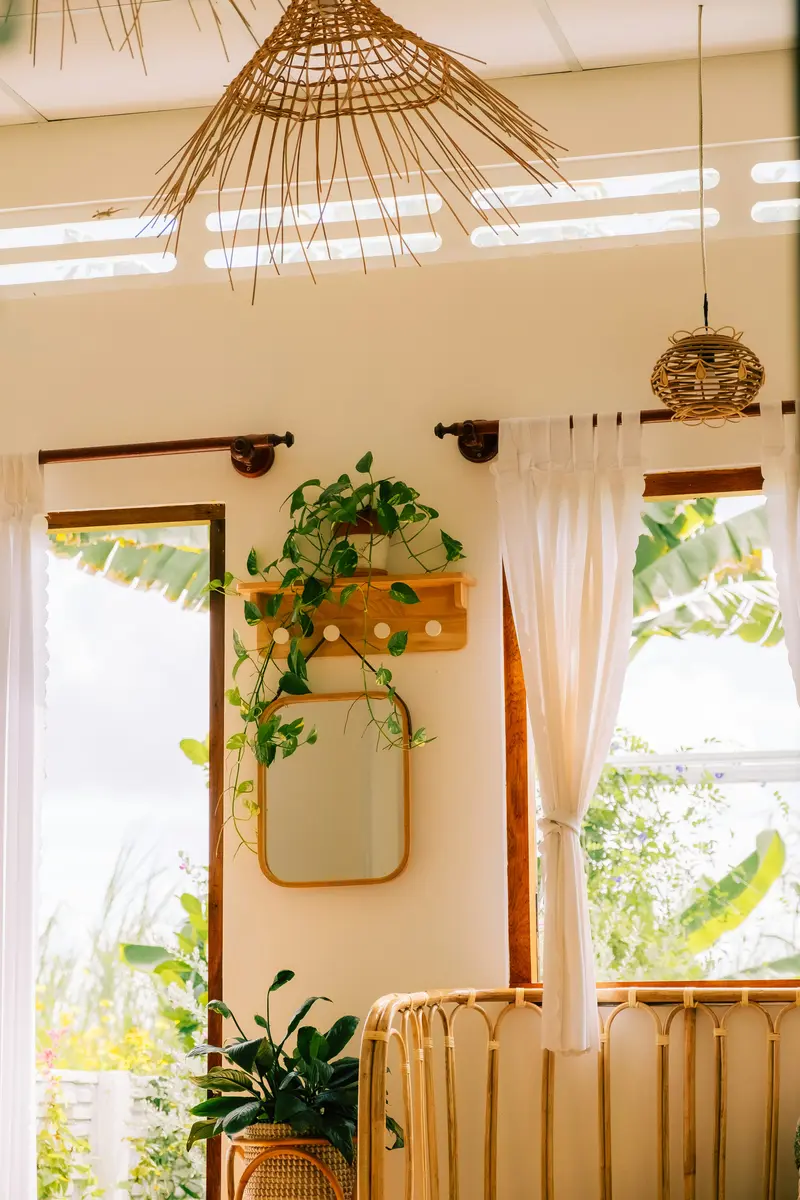
A mobile is the first thing your baby stares at for hours, so make it beautiful. A wooden safari mobile with carved elephants, giraffes, and lions in soft neutrals turns the crib corner into a tiny savanna scene. It moves gently, catches the light, and gives your baby something calm to watch while drifting off.
You will need a wooden mobile kit or a handmade one, plus a ceiling hook or crib arm — about $25 to $60. Hang it high enough that little hands cannot grab it, and low enough that your baby can see the animals clearly from the mattress. Felt or carved wood animals in cream, tan, and sage keep the palette soft.
Choose animals with simple, rounded shapes and no small detachable parts. A mobile with five or six animals feels full without looking crowded, and a slow, silent spin is better than a fast, noisy one for sleepy babies.
Tip: Pick a mobile in the same wood tone as your crib so the whole corner reads as one thoughtful piece.
Variation: Try a macrame hoop mobile with three wooden animals and a few cream tassels for a softer, boho-safari feel.
5. Sage Green Walls: Safari Nursery Decor Ideas in One Color
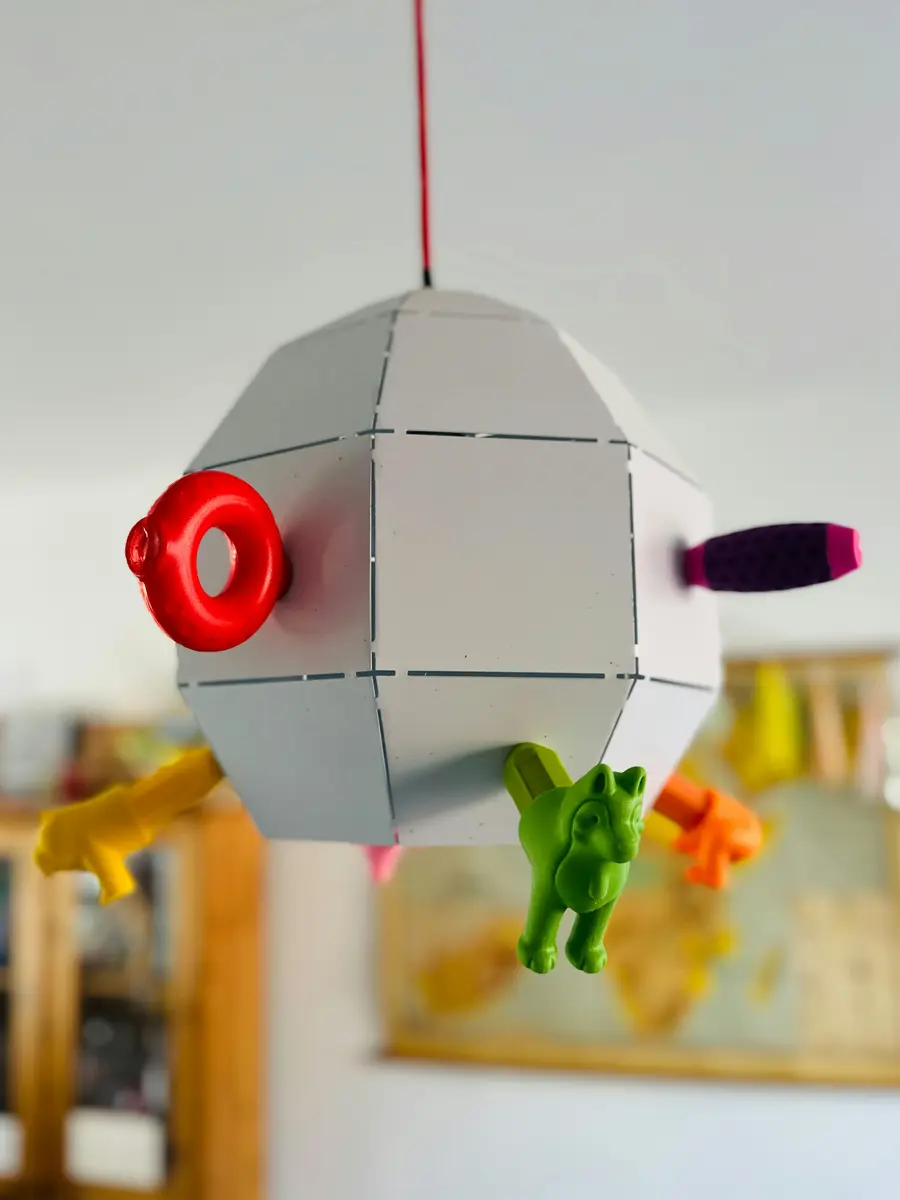
Sage green is the color Pinterest keeps pairing with safari nurseries, and for good reason. It is earthy, calming, and it makes every animal print pop without shouting. Painted on all four walls, sage turns a plain room into a soft savanna backdrop in one weekend.
You will need one gallon of paint for an average nursery, plus painter’s tape, a roller, and a brush — about $50 to $90 total. Test two or three sage swatches on the wall first, because sage shifts green, grey, or warm depending on your light. Pick the one that still looks soft at night under warm lamplight.
Pair sage walls with cream bedding, natural wood furniture, and one or two animal prints in caramel and linen tones. A giant stuffed giraffe in the corner — a classic safari nursery touch — looks right at home against sage. If you love this green family, our woodland nursery ideas use the same earthy palette in a forest setting.
Tip: These safari nursery decor ideas shine when sage is the only strong color — keep everything else cream, wood, or white.
Variation: Paint just the lower half of the walls sage with a white chair rail on top for a classic, tailored look.
6. Plush Animal Display Shelf
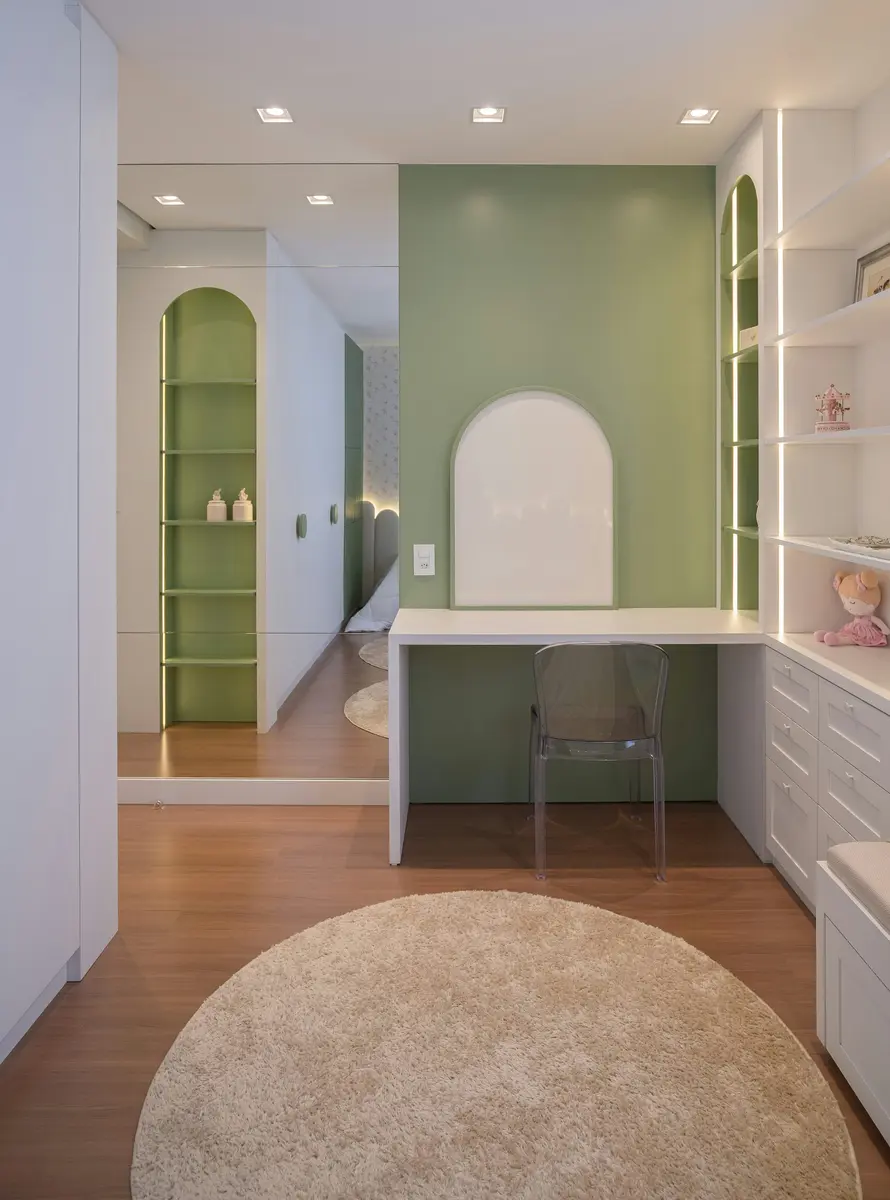
Every safari nursery collects plush animals fast, so give them a proper home. A low wooden shelf with a few favorite stuffed lions, elephants, and giraffes turns toy clutter into a sweet display. It keeps the floor clear, the toys visible, and the theme front and center.
You will need one or two floating wood shelves, brackets, and a handful of plush animals — about $40 to $80 total. Mount the shelves at adult eye level above the dresser or reading chair, well out of your baby’s reach. Arrange the animals in a loose row with a small woven basket and one framed print between them.
Mix sizes: one large giraffe, two medium animals, and a couple of tiny ones. Leave breathing room between pieces so the shelf looks styled, not stuffed. Rotate the animals every few weeks and the display feels fresh without spending another dollar.
If your shelf starts to overflow, that is your cue to edit, not to buy a bigger shelf. Keep the five favorites on display and store the rest in the trunk from idea 10. A small, loved collection always looks better than a crowded one, and it teaches your child that favorite things deserve a special spot.
Tip: Stick to one color family for the plush — creams, tans, and soft greys — so the shelf reads calm instead of chaotic.
Variation: Use a small wooden crate on the dresser as a plush corral if you would rather skip wall mounting.
7. Terracotta and Olive Earthy Palette
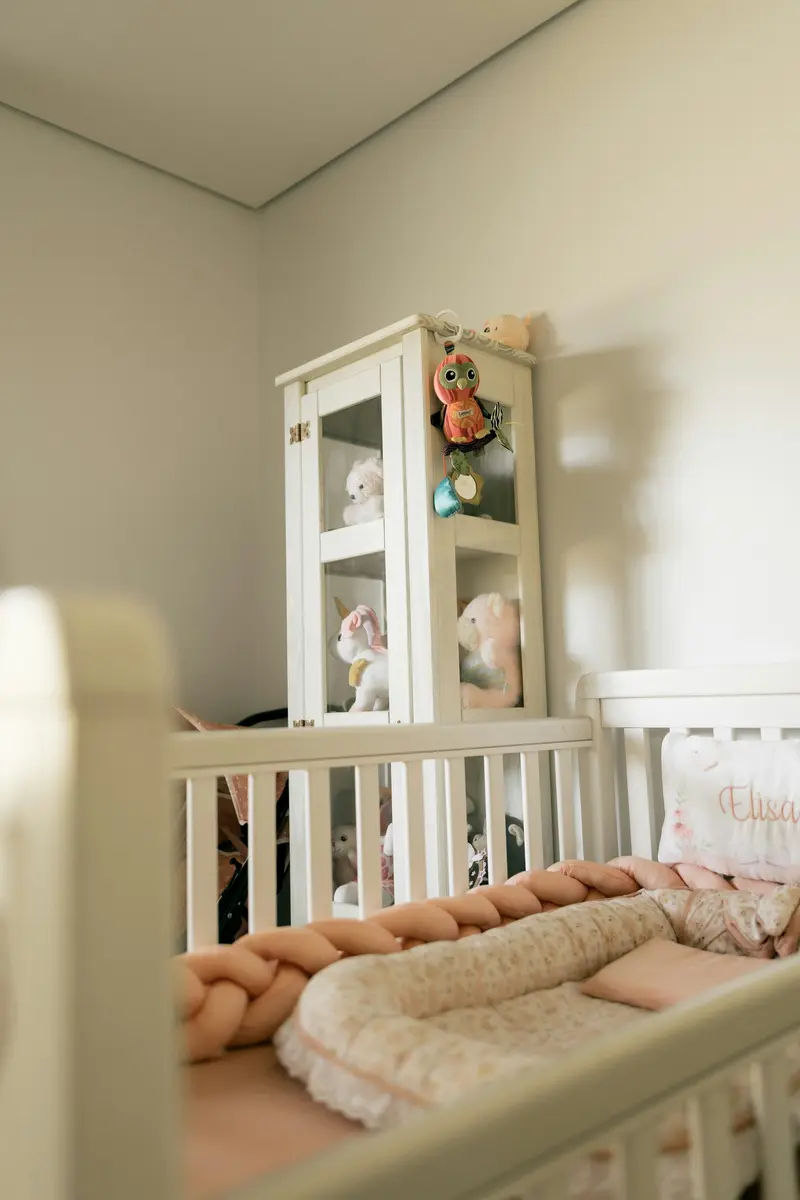
If you love color but hate loud nurseries, this palette is your answer. Terracotta, olive, warm sand, and soft cream bring safari warmth without a single neon shade. It is one of the most grown-up safari nursery decor ideas, and it photographs beautifully for the baby book.
You will need terracotta planters or pots ($15), olive throw pillows ($20 to $30), a sand-colored rug ($40 to $70), and cream curtains — about $100 to $150 all in. Start with cream walls and bedding, then layer terracotta and olive in through textiles and small decor pieces. Two accent colors plus cream is the sweet spot.
Add a terracotta pot with a faux palm on the dresser, olive cushions on the rocking chair, and a sand-toned rug under the crib. The room will feel warm and grounded, like late afternoon on the savanna. Keep metal finishes warm too — brass or wood, never chrome.
Tip: These safari nursery decor ideas stay calm when the boldest color covers the smallest area — terracotta in a pot, not on a whole wall.
Variation: Swap olive for sage if you want the palette cooler, or add a touch of mustard for a sunnier feel.
8. Hand-Painted Mural Above the Crib
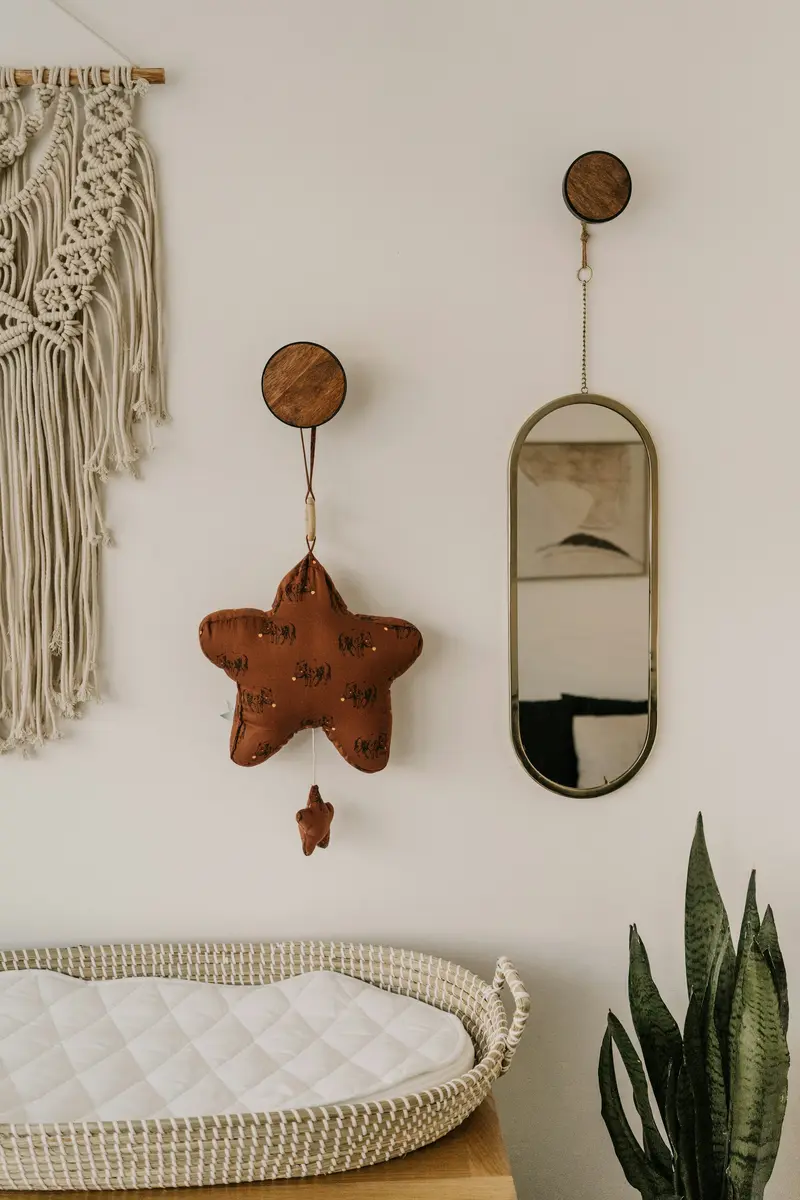
A hand-painted mural is the most personal idea on this list. A simple scene — rolling hills, a tall acacia tree, a sleepy elephant and a giraffe — painted in soft greens, warm ochres, and muted browns above the crib makes the room feel one of a kind. You do not need to be an artist; simple shapes and soft colors do the work.
You will need water-based wall paint in three or four colors, a few brushes, and a pencil to sketch the shapes first — about $40 to $80. Sketch lightly, paint the big shapes first, then add details once the base is dry. Keep the animals simple and the colors washed out so the mural feels dreamy, not cartoonish.
Paint only the wall above the crib, and keep the rest of the room plain so the mural can shine. If freehand painting feels scary, use a projector to trace a simple animal outline onto the wall first. Seal it with a clear matte topcoat so it wipes clean.
The best murals in these safari nursery decor ideas stay simple on purpose. A low hill, one tree, and two animals are enough — your baby will stare at the giraffe’s long neck for months, and you will smile every time you see it. Simple shapes also forgive wobbly brushwork, which is a gift when you are painting at midnight.
Tip: Paint the mural before the crib goes in — you will thank yourself for the empty wall and the ladder room.
Variation: Use large peel-and-stick mural decals instead of paint for the same look with zero commitment.

9. Linen Curtains and Bamboo Blinds
Light control matters in a nursery, and this pairing handles it beautifully. Linen curtains soften the window while bamboo blinds filter the sun into a warm, golden glow — the exact light a safari room wants. Together they look natural, breathe well, and keep naptime dark enough without blackout heaviness.
You will need a bamboo blind ($25 to $50) and a pair of linen-look curtains ($30 to $60) per window, plus a simple wood or matte black rod. Mount the rod a few inches above the window frame and let the curtains fall to the floor for a taller, more finished look. Choose cream or oatmeal linen so the light stays warm.
Layer the blinds inside the frame and the curtains outside it. During the day, the blinds alone give soft, filtered light; at night, the curtains add privacy and a little extra darkness. Keep cords short, secured, and completely out of reach — cord safety comes first in any nursery.
Tip: These safari nursery decor ideas feel finished when the curtain rod matches your other wood tones — one finish, repeated everywhere.
Variation: Add a thin blackout liner behind the linen if your baby sleeps best in a truly dark room.
10. Vintage Trunk Storage to Finish Your Safari Nursery Decor Ideas
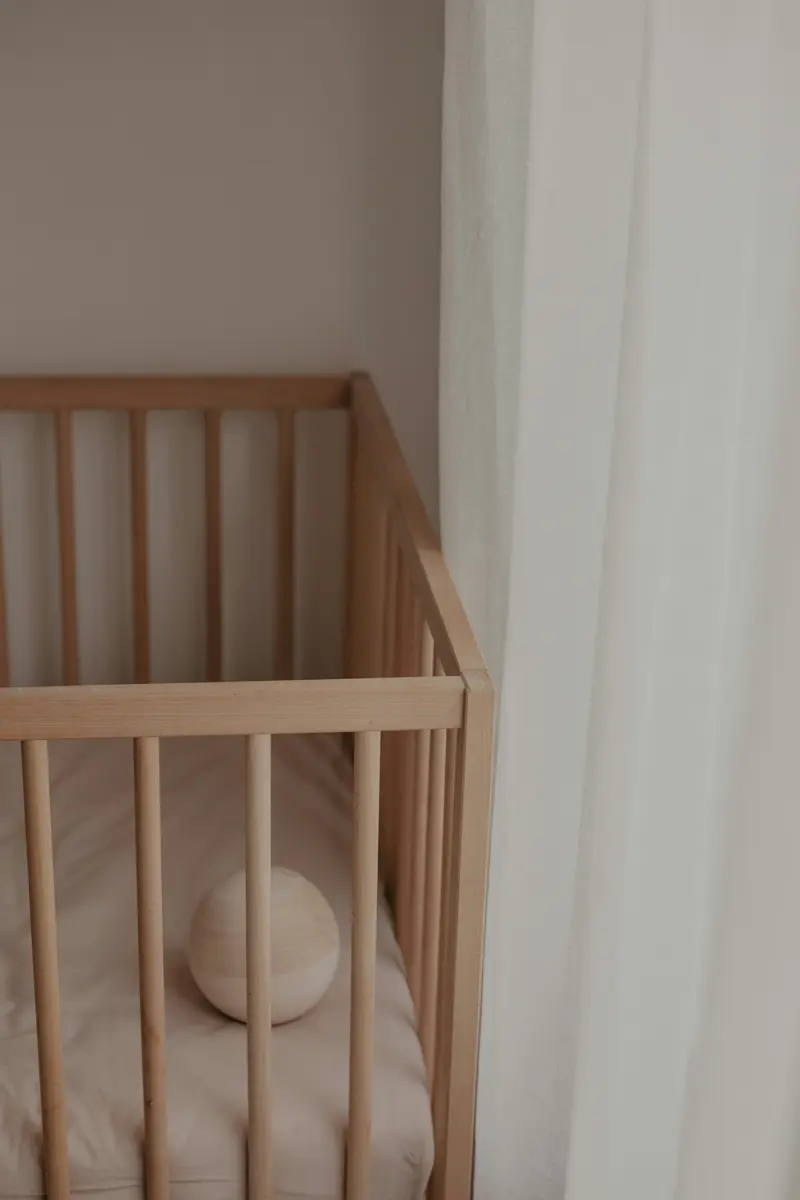
A vintage trunk is the explorer’s answer to toy storage. It hides blankets, books, and plush animals in one handsome piece, and it doubles as a side table or a reading-nook seat. Choose one with leather straps or distressed wood, and it instantly adds old-safari charm to the room.
You will need a vintage or vintage-look trunk — about $60 to $120 secondhand or new — plus a soft fabric liner for the inside. Place it at the foot of the crib or beside the rocking chair, and line it with a washable cotton liner so toys stay clean. A trunk with a soft-close lid is safest for little fingers.
Style the top with a small stack of board books and one plush animal, and leave the rest clear so it works as a seat. If the trunk is tall, add a folded quilt on top to soften the edge. For a nursery that grows with your child, our montessori nursery ideas show how low, reachable storage like this builds independence early.
Tip: These safari nursery decor ideas work hardest when storage is also decor — the trunk earns its floor space twice.
Variation: Use two small matching suitcases stacked instead of one trunk for a lighter, travel-inspired look.

Frequently Asked Questions
What colors work best for a safari nursery?
Warm neutrals make the best base — beige, cream, and soft white keep the room calm and airy. Layer in earthy tones like terracotta, sage, or warm brown through textiles and accents. If you want more drama, add one bold safari-print wallpaper wall and keep everything else quiet.
Is a safari nursery good for a boy or a girl?
Yes — a safari theme is naturally gender-neutral, which is one reason these safari nursery decor ideas are so popular. The earthy palette and animal motifs suit any baby, and you can tilt it warmer with terracotta or cooler with sage depending on your taste. For more inspiration, The Spruce’s gender-neutral nursery ideas show how animal themes and earthy tones work beautifully for any baby.
How do I decorate a safari nursery on a budget?
Start with paint and textiles, which give the biggest change for the least money. A sage accent wall, thrifted baskets, and a few framed prints can set the whole theme for under $150. Add one statement piece — a wallpaper wall or a rattan basket — and let inexpensive plush animals and plants fill in the rest. These safari nursery decor ideas were chosen to work at every budget, so pick the two or three you love most and skip the rest.
What animals work best in a safari nursery?
Elephants, giraffes, lions, and zebras are the classics because their shapes read clearly even in soft watercolor styles. Monkeys and hippos make sweet supporting characters. Stick to three or four animals total so the room feels curated instead of crowded.
How do I keep a safari nursery calm instead of busy?
Pick one animal or one look, plus three colors, and repeat them everywhere. Leave open space on the walls, keep the crib bedding plain, and let one feature — the wallpaper, the mural, or the gallery wall — carry the theme while everything else stays quiet.
Conclusion
A safari nursery does not need a dozen animals or a big budget — it needs a soft palette, a few natural textures, and one or two moments that make you smile every time you walk in. Start with the idea that speaks to you, add the rest slowly, and let the room grow with your baby. These safari nursery decor ideas prove that wild can still feel wonderfully calm, and that a nursery can be both adventurous and restful at the same time.
Save this post to Pinterest before you start shopping, so your favorite looks are waiting when you need them. Your little explorer’s room is going to be adorable.



Leave a Reply