A great garden starts long before you buy a single plant. It starts with a plan — a layout that puts sun-loving vegetables where the light falls, paths where your feet naturally go, and a quiet seat where you can actually enjoy it all. These garden layout ideas will help you design a yard that works as beautifully as it looks, whether you have a sprawling backyard or a tiny balcony.
You do not need a landscape designer or a big budget to get this right. A few smart choices — beds you can reach without stepping on the soil, paths wide enough for a wheelbarrow, tall plants where they will not shade the short ones — make the difference between a garden you fight with and one that practically runs itself. The ideas below cover every yard shape, style, and skill level, so you can find the layout that fits your space and start planting with confidence.
1. Formal Symmetrical Garden Layout
A formal symmetrical layout is one of the most timeless garden layout ideas, and it suits any home with a classic or traditional feel. A central axis runs through the garden, with mirrored beds, matching shrubs, and a straight path leading the eye to a focal point like a fountain or bench. The symmetry feels calm and orderly, even when the planting inside each bed is lush.
You will need edging material, two matching shrubs or small trees, and plants for four mirrored beds. Basic edging and plants for a modest formal layout cost about $150 to $400, depending on the size of the beds and whether you choose perennials or annuals.
Start by marking the central axis with string, then mirror every element across it: two identical beds on each side, the same plant in the same spot in each pair. Keep the path straight and at least 36 inches wide so two people can walk side by side. Finish with a focal point at the far end — a birdbath, a stone urn, or a simple wooden bench — to anchor the whole design.
Tip: Use one repeated plant in every bed, like boxwood or lavender, to tie the mirrored halves together.
*Variation:* Swap the central fountain for a round flower bed to keep the formal feel on a smaller budget.

2. Cottage Garden Layout
A cottage garden layout is the friendliest of all garden layout ideas, with flowers spilling over paths, herbs tucked between blooms, and almost no bare soil showing. It looks effortless, but the best cottage gardens are planned: tall plants at the back, mid-height blooms in the middle, and low edging plants along the front so every layer is visible.
You will need a mix of cottage perennials such as roses, foxgloves, lavender, and catmint, plus a simple path material like gravel or stepping stones. A small cottage border costs about $80 to $250 in plants, and a gravel path runs roughly $30 to $60.
Begin by mapping your beds in gentle curves rather than straight lines, then plant in drifts of three or five of each variety so the colors read as soft clouds instead of spotty singles. Leave the path narrow and a little overgrown at the edges — that relaxed, overflowing look is the whole point of a cottage garden.
Tip: Plant self-seeders like cosmos and nigella and let them wander; they fill gaps for free every year.
*Variation:* Add a climbing rose over a simple wooden arch at the garden entrance for instant storybook charm.

3. Raised Bed Vegetable Garden Layout
A raised bed vegetable layout is one of the most practical garden layout ideas for anyone who wants real harvests without aching knees. Beds sit 12 to 24 inches above the ground, so the soil warms early, drains well, and never gets compacted by footsteps. Keep each bed no wider than 4 feet so you can reach the middle from either side without stepping in.
You will need lumber or cinder blocks for the frames, quality soil, and compost to fill them. A single 4-by-8-foot cedar bed costs about $60 to $120 to build and fill; a set of four runs $250 to $450. For more raised-bed inspiration, our cinder block planter ideas show how to build sturdy beds from blocks for even less. The Spruce’s beginner-friendly garden layout ideas also cover raised beds in detail if you want a second opinion before you build.
Place your beds east to west so the sun travels along their length, and leave 36-inch paths between them for a wheelbarrow. Put tall crops like tomatoes on the north side so they never shade the lettuce and herbs. Group plants by water needs — thirsty tomatoes together, drought-tough rosemary apart — so watering stays simple.
Tip: Fill the bottom third of a deep bed with logs and leaves (hugelkultur style) to save on soil and feed the bed for years.
*Variation:* Build one bed waist-high with legs if bending is hard on your back or knees.
4. Square Foot Garden Layout
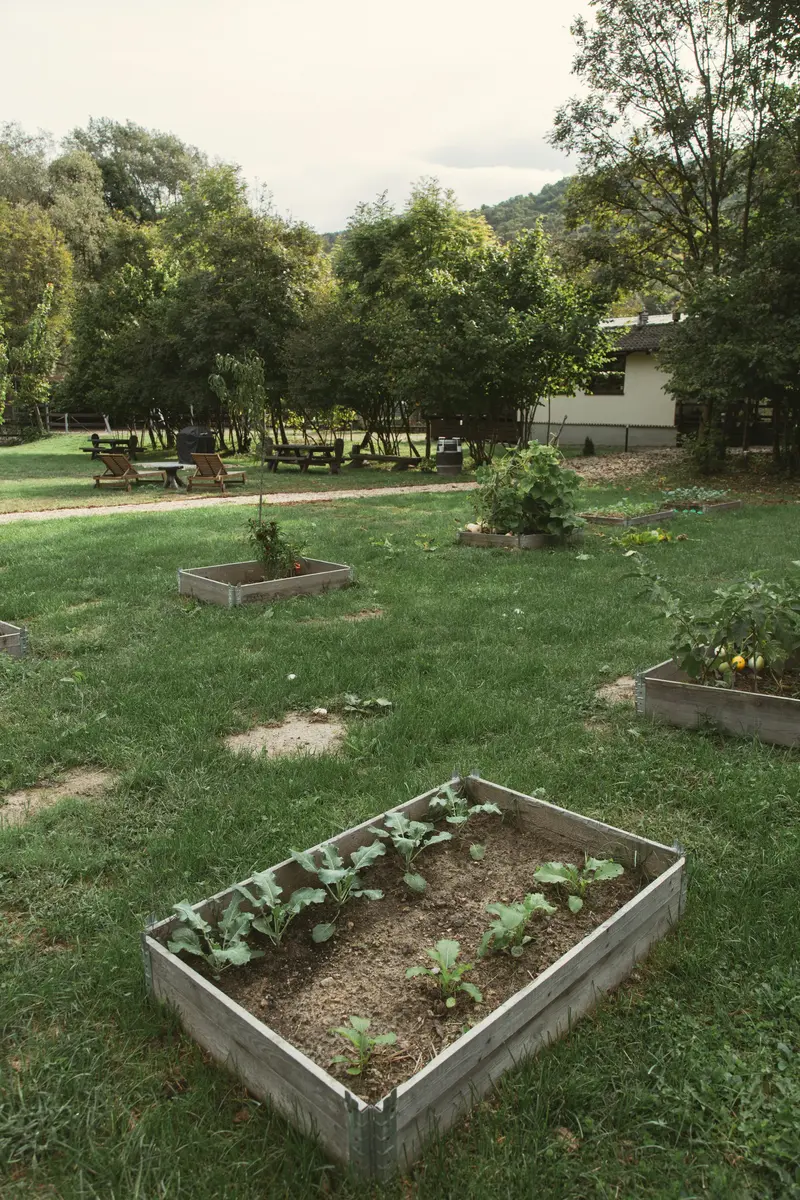
A square foot garden layout is one of the smartest garden layout ideas for small spaces, because it turns a single 4-by-4-foot bed into 16 separate planting squares. Each square holds a set number of plants — one tomato, four lettuces, or sixteen carrots — so you grow far more food in far less room, with almost no weeding.
You will need one 4-by-4-foot raised bed frame, a grid of string or thin wood strips, and a soil mix of compost, peat, and vermiculite. The frame and soil cost about $50 to $100, and the grid itself costs almost nothing if you use string.
Mark the bed into 16 one-foot squares, then plant each square by the spacing on the seed packet: one plant per square for large crops, four for medium ones, nine for small ones, and sixteen for tiny ones like radishes. Rotate squares each season so the same family never grows in the same spot twice in a row.
Tip: Plant a square of marigolds in one corner — they repel pests and keep the whole bed healthier.
*Variation:* Stack two square foot beds in an L-shape around a patio corner to double your growing space without losing seating room.

5. Kitchen Garden (Potager) Layout
A kitchen garden, or potager, is one of the prettiest garden layout ideas because it treats vegetables like flowers. Herbs, lettuces, and tomatoes grow in neat geometric beds edged with boxwood or lavender, so the whole garden looks like a formal flower garden — until you notice it is dinner. The Spruce’s guide to designing a vegetable garden shows how potager-style beds balance beauty and harvest in any size yard.
You will need edging plants or low wooden borders, vegetable and herb starts, and a central feature like a small fountain or obelisk. A modest potager costs about $120 to $350 to plant, with the edging plants the biggest single expense.
Divide the space into four equal beds crossed by two paths, and put the tallest feature in the center. Plant each bed with a mix of color and height — purple kale beside golden marigolds, red chard beside green basil — so every bed looks good enough to photograph. Keep the kitchen garden close to the back door so harvesting herbs for dinner takes seconds, not a hike.
Tip: Tuck edible flowers like nasturtiums along the bed edges; they look gorgeous and taste peppery in salads.
*Variation:* Use a woven willow hurdle as the central feature for a rustic potager that costs almost nothing.

6. Vertical Garden Layout
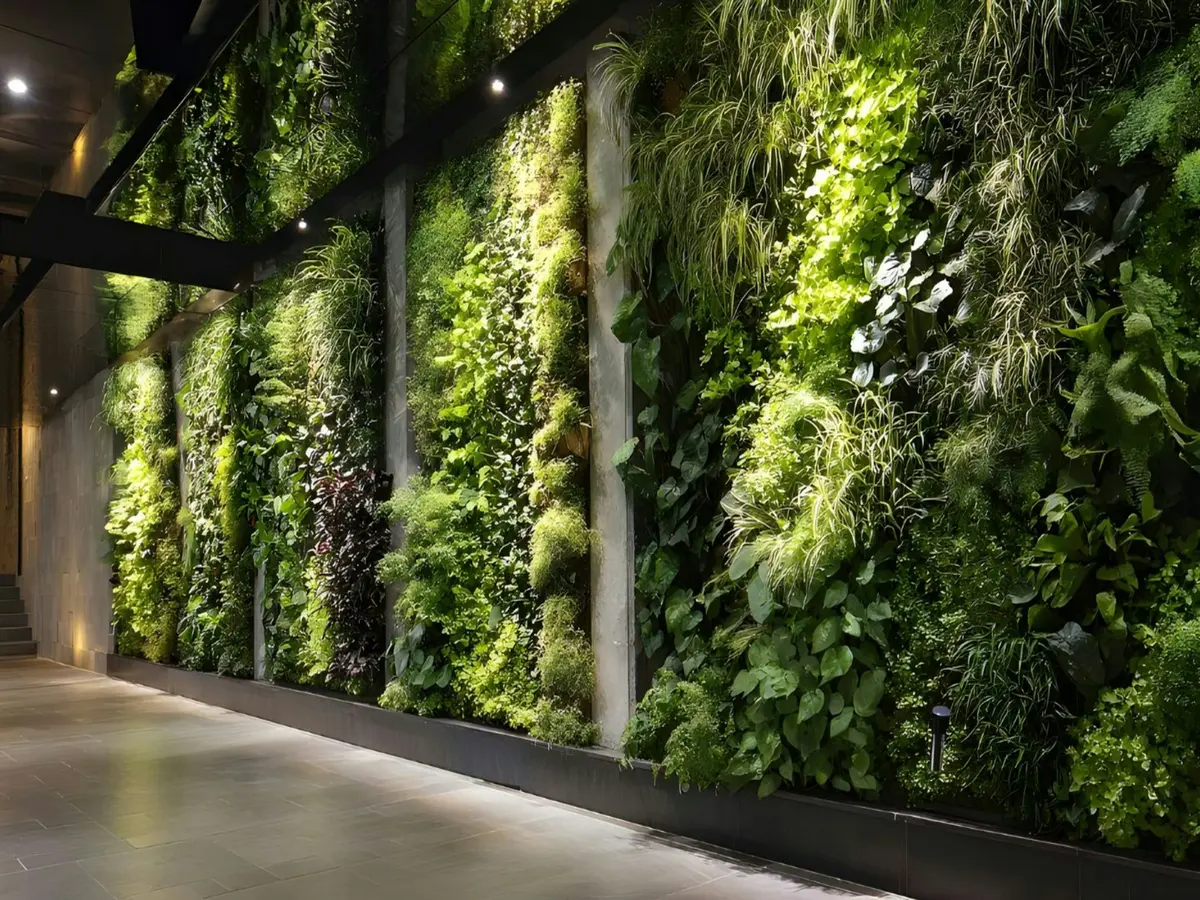
A vertical garden layout is one of the best garden layout ideas for walls, fences, and narrow side yards that have almost no ground to spare. Plants grow upward on trellises, pocket planters, and stacked towers, so a single fence can hold dozens of herbs, strawberries, and flowers in the footprint of one pot.
You will need a trellis, wall pockets, or a grow tower, plus potting mix and plants suited to shallow soil. A simple trellis panel costs $20 to $60, wall pocket planters run $15 to $40, and a freestanding grow tower costs $50 to $120.
Start with the sunniest wall or fence you have, and mount the structure securely before you add soil — wet planters are heavy. Put thirsty plants at the bottom where water drips down to them, and drought-tough herbs at the top where the soil dries fastest. Water slowly so the top pockets do not flood the ones below.
Tip: Grow trailing plants like strawberries at the top of a tower so the fruit hangs where you can see and pick it easily — one of the easiest garden layout ideas for renters and small patios.
*Variation:* Turn a wooden pallet into a vertical herb garden by stapling landscape fabric pockets to the back and leaning it against a sunny wall.
7. Container and Patio Garden Layout
A container and patio garden layout is one of the most flexible garden layout ideas, because every plant lives in a pot you can move. It is perfect for renters, patios, and driveways: group pots by height, tuck a chair between them, and you have a garden that can change with the seasons or move house with you. Our small backyard ideas for renters has more portable layouts that work the same way.
You will need containers in three sizes, potting mix, and plants matched to your sun. A starter set of five pots with soil and plants costs about $60 to $150, and you can add one pot at a time as your budget allows.
Arrange the tallest pots at the back or against a wall, medium pots in the middle, and low trailers at the front so every plant gets light. Leave a clear path to the door and group pots that need the same water together, so one watering can pass covers them all. Use saucers under every pot to protect the patio and keep roots from drying out in summer heat.
Tip: Put pot feet or small blocks under large containers so water drains freely and the pots never sit in puddles.
*Variation:* Plant one big statement pot with a small tree, like a dwarf olive or citrus, to anchor the whole patio.

8. Modern Minimalist Garden Layout
A modern minimalist garden layout is one of the cleanest garden layout ideas, built on restrained planting, straight lines, and one or two strong materials. Think a single sculptural tree, a row of ornamental grasses, and a pale gravel path — every element earns its place, and nothing competes for attention.
You will need a limited palette of plants (one tree, one grass, one groundcover), gravel or large pavers, and simple edging. A small minimalist garden costs about $200 to $600, with the tree and pavers the biggest expenses.
Start by choosing your focal point — a multi-stem birch, a sculptural maple, or a simple water bowl — and place it off-center so the space feels designed rather than staged. Repeat just one or two plants in bold groups, and keep the ground plane simple: one gravel tone, one paver color, no fussy borders. Negative space is part of the design, so resist the urge to fill every gap.
Tip: Use one warm material, like cedar or rusted steel, to soften the hard lines and keep the garden from feeling cold.
*Variation:* Add a single strip of low-voltage lighting along the path for a garden that looks stunning after dark.

9. Zen-Inspired Garden Layout
A zen-inspired garden layout is one of the calmest garden layout ideas, designed for quiet sitting rather than busy growing. Raked gravel, a few carefully placed stones, one sculptural shrub, and a simple bench create a space that feels ordered and still, even in the middle of a noisy neighborhood.
You will need gravel or sand, three to five large stones, one sculptural plant such as a Japanese maple or pine, and a bench or flat stone seat. A small zen corner costs about $100 to $300, with the stones often free if you source them locally.
Choose an odd number of stones and place the largest first, then arrange the others around it in a loose triangle that feels balanced but never symmetrical. Rake the gravel into gentle waves around the stones, and leave most of the ground empty — the empty space is the point. Put the bench where you can see the whole composition without turning your head.
Tip: Rake the gravel once a week; the simple ritual keeps the pattern crisp and gives you a few peaceful minutes in the garden.
*Variation:* Add a small bamboo water feature for soft sound, but keep it the only moving element in the space.

10. Wildlife and Pollinator Garden Layout
A wildlife and pollinator garden layout is one of the most rewarding garden layout ideas, because it turns your yard into a haven for bees, butterflies, and birds. Native flowers bloom in waves from spring to fall, a shallow water dish offers a drink, and a sunny bare patch gives ground-nesting bees a home. Pollinator gardens are one of the fastest-growing trends on Pinterest for 2026, and they ask almost nothing of you once planted.
You will need native flowering plants in three bloom seasons, a shallow dish for water, and a small pile of logs or stones for shelter. A pollinator border costs about $60 to $180 in plants, and the water dish and shelter cost almost nothing.
Plant in generous drifts of the same flower so pollinators can spot their favorites from the air, and include at least one plant for each season so something is always in bloom. Skip the pesticides entirely — even organic sprays harm the insects you are trying to welcome. Leave a few stems standing over winter, because many pollinators shelter inside them.
Tip: Add a flat stone in a sunny spot; butterflies warm their wings on it each morning before they feed.
*Variation:* Plant milkweed in a sunny corner to give monarch caterpillars the only food they can eat.

11. Tropical Garden Layout
A tropical garden layout is one of the lushest garden layout ideas, layering big leaves, bold color, and dense planting until the yard feels like a private jungle. Banana plants, elephant ears, cannas, and hibiscus create a canopy overhead, while ferns and caladiums fill the shady floor below.
You will need large-leaf tropical plants, plenty of mulch, and a water source nearby, since tropical plants drink heavily. A small tropical bed costs about $100 to $300 in plants, with fast growers like cannas and elephant ears giving you a full look in a single season.
Plant in layers: tall bananas or palms at the back, mid-height cannas and hibiscus in the middle, and low ferns and caladiums at the front. Keep the soil thickly mulched to hold moisture, and water deeply in the morning so the leaves dry before evening. In cooler climates, grow the tender plants in pots you can move indoors before the first frost.
Tip: Choose one plant with oversized leaves as your anchor — in tropical garden layout ideas, that one bold plant sets the scale for everything around it.
*Variation:* Add a simple bamboo screen behind the bed to block wind and make the planting feel like a hidden retreat.

12. Mediterranean Garden Layout
A Mediterranean garden layout is one of the sunniest garden layout ideas, built for hot, dry summers and relaxed outdoor living. Terracotta pots, lavender rows, olive trees, and gravel paths create a look that feels like a villa courtyard, and the plants thrive on neglect once established.
You will need drought-tough plants such as lavender, rosemary, olive, and agave, plus terracotta pots and gravel. A Mediterranean corner costs about $120 to $350, with a small olive tree the biggest single purchase.
Give the garden a sunny, sheltered spot and plant in gravel rather than lawn, so the ground stays dry and the plants stay healthy. Group terracotta pots in threes beside a bench or door, and let lavender spill over the path edges for scent with every step. Water new plants for their first summer, then cut back sharply — Mediterranean plants grow stronger when they are slightly stressed.
Tip: Plant rosemary along the edge of a path where brushing past it releases its scent.
*Variation:* Add a wall fountain in a shaded corner for the sound of water without raising the humidity around the drought-loving plants.

13. Small Backyard Garden Layout Ideas
A small backyard garden layout is one of the most useful garden layout ideas, because most of us are working with far less space than we wish for. The trick is zoning: split the yard into a growing zone, a sitting zone, and a path that connects them, so even a 20-by-20-foot yard feels like it has rooms. Our small backyard ideas on a budget show more ways to make a compact yard feel generous.
You will need two raised beds or a row of containers, one compact seating set, and a path material like gravel or pavers. A small backyard layout costs about $150 to $500, depending on whether you build the beds yourself.
Put the growing zone in the sunniest corner and the seating in the shadiest one, then connect them with a single curving path that makes the yard feel bigger than it is. Use vertical growing on the fences — trellises, hanging planters, wall pockets — to add planting space without taking any floor space at all. Keep the lawn, if any, to one simple shape so the yard reads as intentional rather than crowded.
Tip: A mirror on a fence or wall doubles the feeling of space and bounces light into a shady corner.
*Variation:* Replace a patch of lawn with a low deck to gain a dry sitting area that needs no mowing.

14. Front Yard Garden Layout
A front yard garden layout is one of the highest-impact garden layout ideas, because it is the first thing visitors and neighbors see. Layered beds along the house, a clear path to the door, and one small tree create curb appeal that makes the whole house look cared for — and it can be done in a single weekend.
You will need foundation shrubs, seasonal flowers for the front edge, mulch, and edging to keep the beds crisp. A front yard refresh costs about $100 to $400 in plants and mulch, and edging runs $20 to $60.
Start at the door and work outward: a pair of matching pots flanks the entrance, low flowers edge the path, and taller shrubs anchor the corners of the house. Keep the path at least 36 inches wide and unobstructed, and choose plants that look good in every season so the front never goes bare. A small tree near the property line frames the house without blocking the windows.
Tip: Plant in odd-numbered groups of three or five along the foundation so the beds look full and natural, not lined up like soldiers.
*Variation:* Add a low picket fence section around the front beds to give the garden a finished, cottage feel.

15. Sloped Garden Layout with Terraces
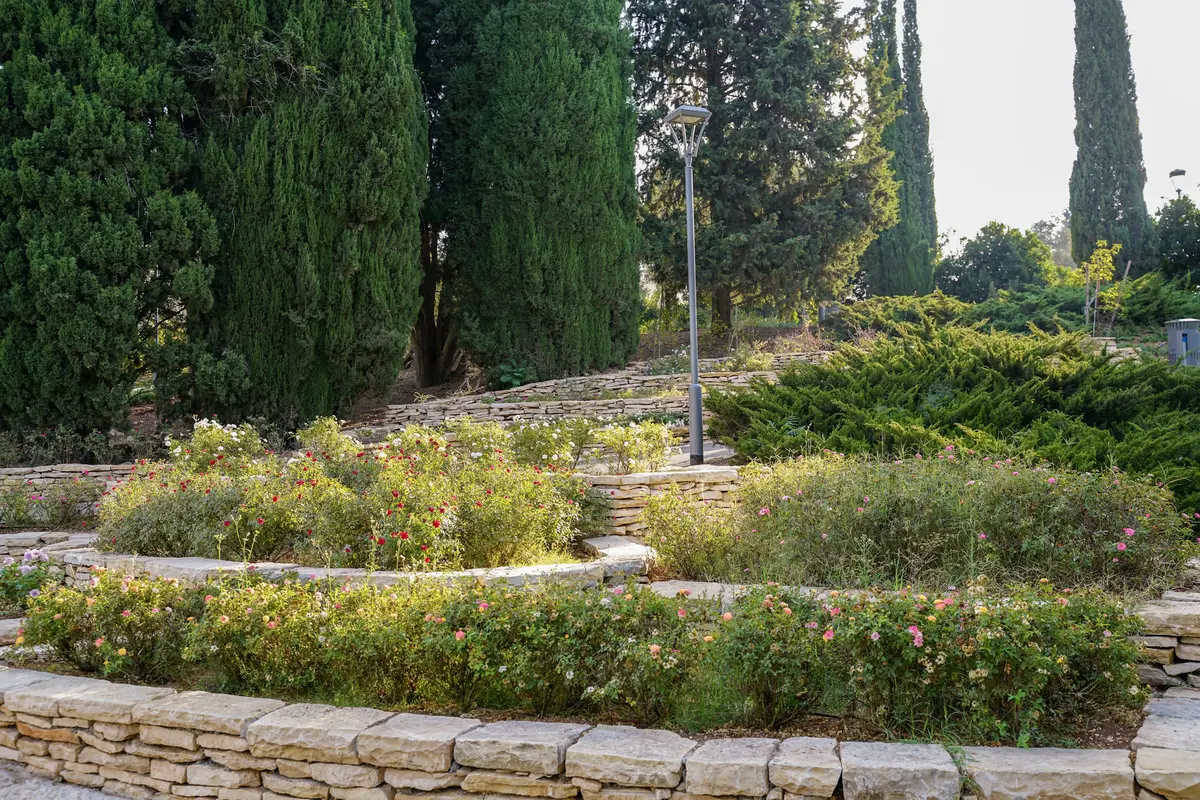
A sloped garden layout is one of the cleverest garden layout ideas for a yard that drops away from the house, because terracing turns a problem slope into a series of flat, usable garden rooms. Each terrace holds its own planting — vegetables on the sunny top tier, flowers in the middle, and a seating nook at the bottom.
You will need retaining materials such as timber, stone, or concrete blocks, plus soil to level each terrace. A small two-tier terrace costs about $200 to $600 in materials, and you can add tiers one at a time over several seasons.
Build from the bottom up, keeping each retaining wall under 2 feet high so you can build it safely without engineering. Make each terrace at least 4 feet deep so you can reach the back of the planting from the path below. Add steps at one end so you can walk the whole slope without climbing over walls, and plant deep-rooted shrubs at the edges to hold the soil.
Tip: Run a simple drip line along each terrace so watering the slope takes minutes instead of an afternoon with a hose.
*Variation:* Turn the lowest terrace into a rain garden that catches runoff from the tiers above.
16. Keyhole Garden Layout
A keyhole garden layout is one of the most efficient garden layout ideas ever designed, and it was made for dry climates and small yards. A circular raised bed has a wedge-shaped notch cut into it — the keyhole — so you can step into the center and reach every plant without ever walking on the soil. A compost basket in the middle feeds the whole bed as it breaks down.
You will need stones or blocks for the circular wall, a wire basket or open compost column for the center, and rich soil. A keyhole bed costs about $80 to $200 to build, and the compost basket is made from scrap wire and kitchen scraps.
Build the wall in a circle about 6 feet across and 2 to 3 feet high, leaving a 2-foot-wide notch on one side for access. Set the compost basket in the center, fill the bed with soil, and plant in rings: herbs and shallow-rooted greens near the center, taller vegetables toward the outside. Water by pouring into the compost basket so moisture spreads outward through the soil.
Tip: Toss kitchen scraps into the center basket weekly — the bed feeds itself, which is why keyhole garden layout ideas work so well in dry climates.
*Variation:* Build the keyhole wall from stacked stones for a garden bed that doubles as a beautiful landscape feature.

17. Herb Spiral Garden Layout
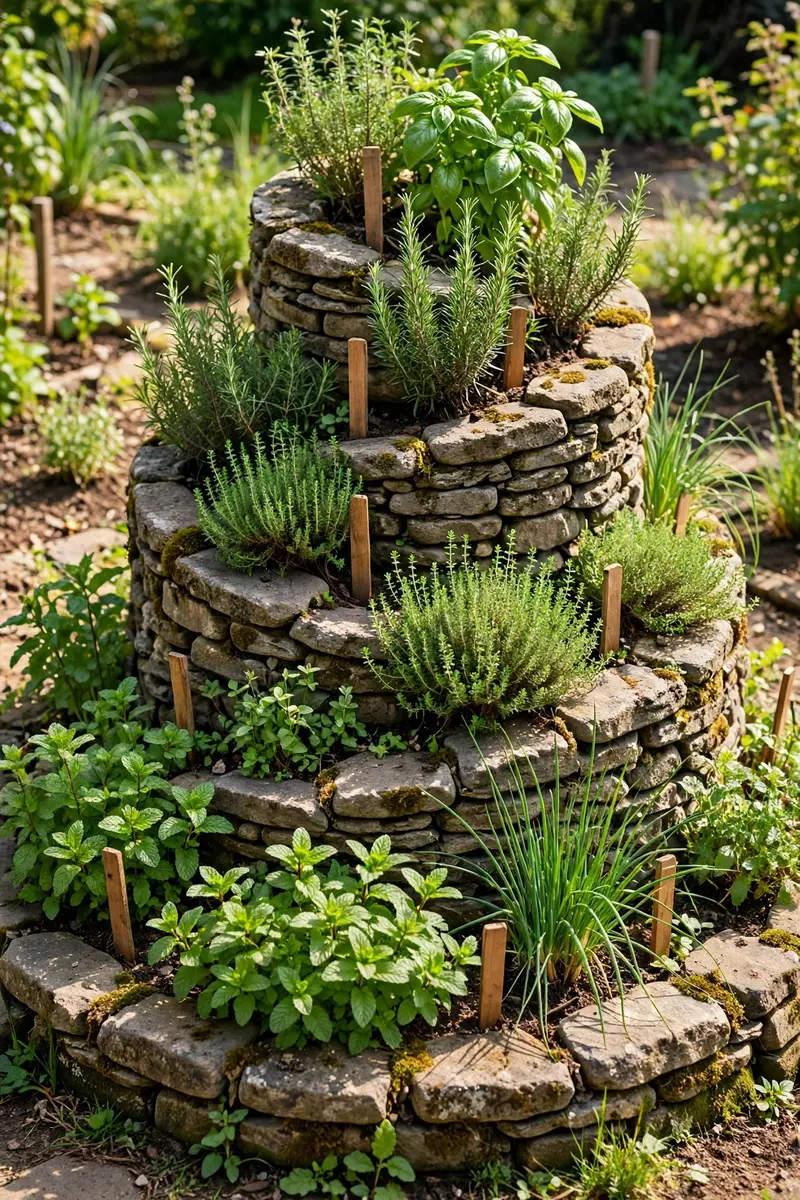
An herb spiral garden layout is one of the most charming garden layout ideas, and it solves a real problem: different herbs want different soil and moisture. A spiral of stones rises from ground level to about 3 feet high, so the top is dry and sunny for rosemary and thyme, while the bottom stays damp and shady for mint and parsley.
You will need stones or bricks, soil, compost, and a dozen herb plants. An herb spiral costs about $40 to $120, and the stones are often free if you collect them locally.
Mark a circle about 5 feet across, then build the spiral wall from the outside in, stacking stones higher as you wind toward the center. Fill with soil as you go, so the top sits about waist-high when you finish. Plant Mediterranean herbs at the top, everyday cooking herbs in the middle, and moisture-lovers like mint and chives at the base — and keep the mint in a buried pot so it cannot take over.
Tip: Place the spiral right outside the kitchen door so snipping herbs for dinner takes ten seconds.
*Variation:* Tuck a few edible flowers like nasturtiums between the herbs for color and a peppery salad garnish.
18. Shade Garden Layout
A shade garden layout is one of the most forgiving garden layout ideas, because shade plants are patient and long-lived. Hostas, ferns, astilbe, and hellebores thrive under trees and on the north side of the house, where sun-loving plants would sulk — and a shade garden looks good from the first spring to the last fall.
You will need shade-tolerant perennials, compost to enrich the soil, and mulch to hold moisture under the trees. A shade border costs about $80 to $250 in plants, and most of them divide and spread for free within a few years.
Start by improving the soil with a thick layer of compost, since tree roots steal both water and nutrients. Plant in drifts by height — tall ferns at the back, mid-height hostas in the middle, low groundcover at the front — and add one bright accent, like golden hakone grass or white astilbe, to keep the shade from feeling dark. Water deeply but rarely so the plants root down instead of staying shallow.
Tip: Use leaf-shaped variety, not flowers, as your main interest — a mix of big hosta leaves, feathery ferns, and glossy hellebore foliage carries a shade garden all season.
*Variation:* Add a stone bench or a simple birdbath as a focal point in the deepest shade, where plants alone would struggle to shine.

19. Drought-Tolerant Xeriscape Layout
A drought-tolerant xeriscape layout is one of the smartest garden layout ideas for dry climates, cutting water use by half or more without giving up beauty. Gravel mulch, sculptural agaves, ornamental grasses, and drifts of lavender replace thirsty lawn, and the garden looks better in August than a traditional one ever does.
You will need drought-tough plants such as agave, sedum, lavender, and ornamental grasses, plus gravel mulch and landscape fabric. A xeriscape bed costs about $100 to $300, and the gravel mulch is a one-time purchase that lasts for years.
Group plants by water need, with the thirstiest near the house where you can water them easily and the toughest at the far edges. Cover every inch of bare soil with 3 inches of gravel mulch to stop evaporation and weeds. Water new plants for their first season, then taper off — most xeriscape plants sulk if they stay wet. Layered gravel paths are trending on Pinterest for 2026, and they suit a xeriscape perfectly.
Tip: Use three gravel sizes — large stones as accents, medium gravel for paths, fine gravel for beds — to give the garden texture without adding plants.
*Variation:* Add a dry stream bed of river stones through the middle to carry rainwater away during storms and look sculptural when dry.

20. Edible Landscape Layout
An edible landscape layout is one of the most practical garden layout ideas, because it hides food plants inside an ornamental garden. Blueberry bushes stand in for foundation shrubs, rainbow chard edges the flower beds, and a dwarf apple tree shades the patio — the yard looks like a landscape design, and it feeds you too.
You will need edible shrubs and trees suited to your climate, plus vegetables and herbs to tuck between the ornamentals. An edible landscape costs about $150 to $500 to plant, with fruit trees and berry bushes the biggest expense — and they pay for themselves in harvests within a few years.
Replace one ornamental shrub at a time with an edible lookalike: blueberries for azaleas, currants for boxwood, dwarf fruit trees for shade trees. Edge the beds with herbs and leafy greens that look like flowers — red-veined chard, purple basil, and curly kale are all gorgeous in a border. Keep the edible plants where you can reach them easily, and wash everything well before eating.
Tip: Plant fruit where you walk past it daily, so you notice the harvest the moment it ripens instead of finding it after the birds do.
*Variation:* Train a grapevine or kiwi along a fence to add a living green wall that produces fruit every fall.

21. Flower Bed Border Layout
A flower bed border layout is one of the classic garden layout ideas, framing a lawn or path with a deep, layered ribbon of blooms. The secret is depth: a border at least 5 feet wide lets you plant in three layers — tall at the back, medium in the middle, low at the front — so the bed looks full and lush instead of like a thin row of flowers.
You will need perennials and annuals in three heights, compost, and edging to keep the border crisp. A 20-foot border costs about $100 to $300 in plants, and perennials come back year after year so the cost drops fast.
Dig the border at least 5 feet deep and enrich the soil with compost before you plant a thing. Place the tallest plants — delphiniums, hollyhocks, or ornamental grasses — at the back, mid-height blooms like coneflowers and salvias in the middle, and low edging plants like alyssum or creeping phlox at the front. Repeat each plant in groups of three or five along the border so the colors flow instead of jumping around.
Tip: Choose plants that bloom in sequence — in border garden layout ideas, staggered bloom times are what keep the bed full from spring to fall.
*Variation:* Curve the border in a gentle S-shape instead of a straight line to make even a small lawn feel like a country garden.

22. Balcony Garden Layout Ideas
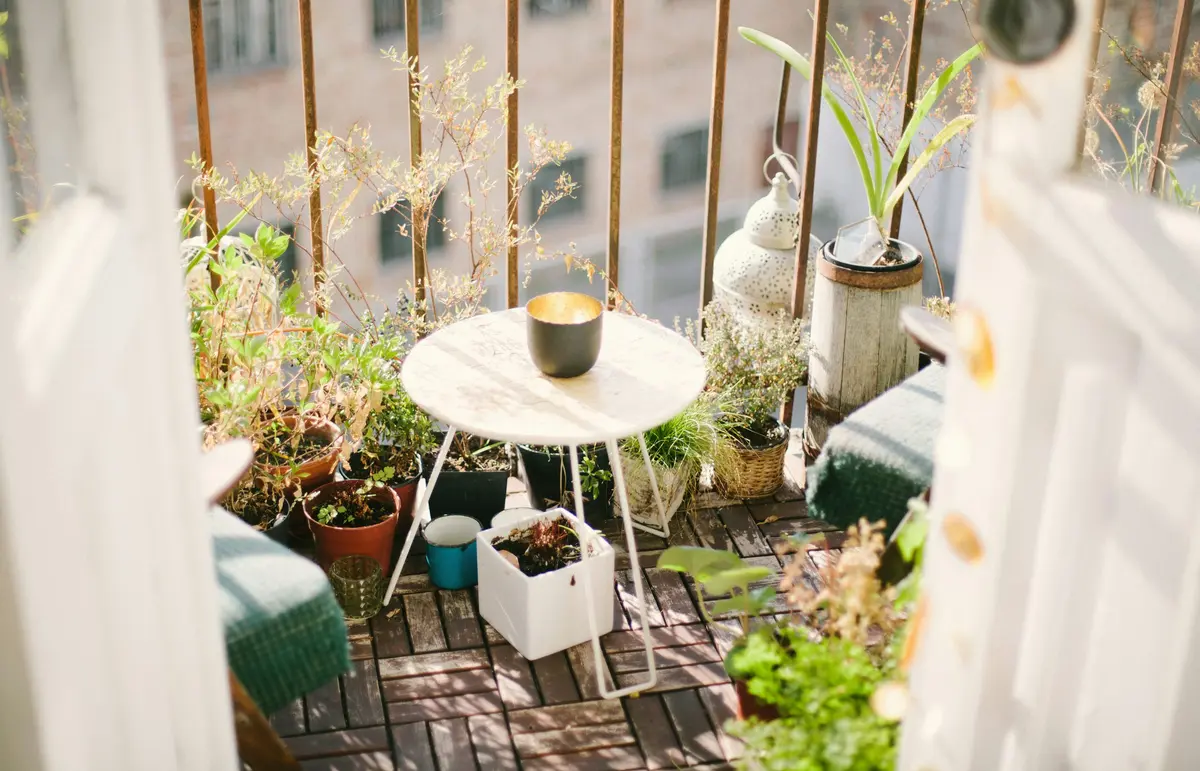
A balcony garden layout is one of the best garden layout ideas for apartment living, because even 30 square feet can grow salads, herbs, and flowers. The plan is simple: a vertical tower on the back wall, railing planters for herbs, and two big grow bags on the floor — every inch works, and nothing blocks the door.
You will need railing planters, a vertical grow tower or wall pockets, grow bags, and lightweight potting mix. A balcony garden costs about $60 to $180, and most of the gear lasts for years.
Put the tower against the back wall where it catches the most sun, hang railing planters on the sunniest rail, and set two 5-gallon grow bags on the floor for tomatoes or peppers. Keep a narrow path clear to the railing so you can water and harvest without climbing over pots. Check your building rules first — some balconies have weight limits, and wet soil is heavier than it looks.
Tip: Grow herbs you use every week — basil, parsley, mint — so the small space earns its keep with every meal.
*Variation:* Hang a strawberry basket from the ceiling to add fruit without using a single inch of floor space.
23. Courtyard Garden Layout
A courtyard garden layout is one of the most private garden layout ideas, turning a walled or fenced space into an outdoor room. A small tree or water feature anchors the center, seating hugs one wall, and planting fills the edges — the whole space feels like a secret garden, even in the middle of a city.
You will need one small tree or large potted plant, a seating set, and plants that tolerate the courtyard’s light, which is often part shade. A courtyard layout costs about $200 to $600, with the tree and furniture the biggest costs.
Place the focal point — a tree, a water bowl, or a sculpture — where you can see it from the door, then arrange seating to face it. Keep the planting along the walls so the center stays open, and use pots at different heights to add layers without digging into a paved floor. A light-colored wall paint or a mirror on the shadiest wall bounces light into the corners.
Tip: Choose one fragrant plant, like jasmine or gardenia, near the seating so the courtyard smells as good as it looks on warm evenings.
*Variation:* Lay a simple outdoor rug under the seating to define the room and soften the paving underfoot.

24. Sensory Garden Layout
A sensory garden layout is one of the most joyful garden layout ideas, designed to be touched, smelled, heard, and tasted — not just looked at. Lamb’s ear invites a touch, lavender scents the air, ornamental grasses rustle in the breeze, and strawberries offer a snack, so every visit becomes a small adventure for kids and adults alike.
You will need soft-textured plants, fragrant herbs and flowers, a wind chime or rustling grass, and edible plants for tasting. A sensory garden costs about $80 to $200, and most of the plants are common and inexpensive.
Divide the space into five small zones, one for each sense: soft lamb’s ear and dusty miller for touch, lavender and roses for scent, grasses and a wind chime for sound, strawberries and mint for taste, and bold-colored flowers for sight. Keep the paths wide and the plants at hand height so children can reach everything, and label the plants with simple wooden markers so visitors know what to try.
Tip: Plant the fragrant herbs along the path edges where brushing past them releases their scent with every step.
*Variation:* Add a small textured path of smooth pebbles and bark so bare feet can enjoy the garden too.

25. Moon Garden Layout
A moon garden layout is one of the most magical garden layout ideas, planted entirely in white and silver so it glows after dark. White flowers, silver foliage, and pale gravel catch the moonlight and the light from a few low lamps, turning an ordinary corner into a place that feels enchanted at 10 p.m.
You will need white-flowering plants such as moonflower, white phlox, and nicotiana, plus silver-foliage plants like dusty miller and lamb’s ear. A moon garden costs about $70 to $180 in plants, and most of them are easy annuals or hardy perennials.
Choose a spot you can see from a window or a patio seat, and plant the white flowers in drifts so they read as pools of light instead of scattered dots. Add silver foliage between them to catch the light even when nothing is in bloom, and lay pale gravel on the paths to reflect the moonlight upward. Plant night-scented stock and moonflowers, which open and perfume the air only after sunset.
Tip: Skip bright colored flowers entirely — even one red bloom breaks the moonlit illusion and pulls the eye away from the white.
*Variation:* Add a white-painted bench and a single solar lantern so the garden is inviting even on a moonless night.

26. Rain Garden Layout
A rain garden layout is one of the most useful garden layout ideas for a soggy corner or a spot where downspouts dump water. A shallow basin planted with water-loving natives catches runoff, lets it soak in slowly, and turns a muddy problem into a pretty planting that also protects local streams.
You will need water-tolerant native plants such as iris, Joe Pye weed, and switchgrass, plus mulch and a shallow basin dug 6 inches deep. A rain garden costs about $80 to $250 in plants, and digging the basin yourself costs nothing but an afternoon.
Pick a spot at least 10 feet from the house where water naturally collects, and dig a basin about 6 inches deep with gently sloping sides. Direct a downspout into it with a short buried pipe or a simple gravel channel. Plant the wettest species in the center, moisture-lovers on the slopes, and drought-tough plants on the dry rim. Mulch thickly to keep the soil in place during heavy rain.
Tip: Test your soil first — rain garden layout ideas only work when the basin drains within two days, so loosen heavy soil with compost before you plant.
*Variation:* Edge the basin with flat stones so it reads as a designed feature rather than a ditch, even when it is dry.

27. Greenhouse Garden Layout
A greenhouse garden layout is one of the most productive garden layout ideas, stretching your growing season by months in both directions. A central path with benches on both sides, tall plants at the back, and seed trays on shelves turns even a small 6-by-8-foot greenhouse into a year-round growing machine.
You will need a greenhouse kit or a simple hoop house, benches or shelving, and pots or raised beds inside. A small greenhouse kit costs about $150 to $500, and second-hand kits often sell for far less.
Place the greenhouse where it gets morning sun and shelter from strong wind, with the door facing south if you can. Run a wide central path down the middle, benches along both sides for seed trays, and a raised bed at the back for tomatoes and cucumbers that need height. Add a simple vent or a shade cloth for summer, since a closed greenhouse can overheat in a single sunny afternoon.
Tip: Put a rain barrel beside the greenhouse door so watering the plants inside takes one short trip, not a long hose drag.
*Variation:* Grow salad greens in the greenhouse all winter with a simple cold frame inside — no heater needed in most climates.

28. Winding Path Garden Layout Ideas
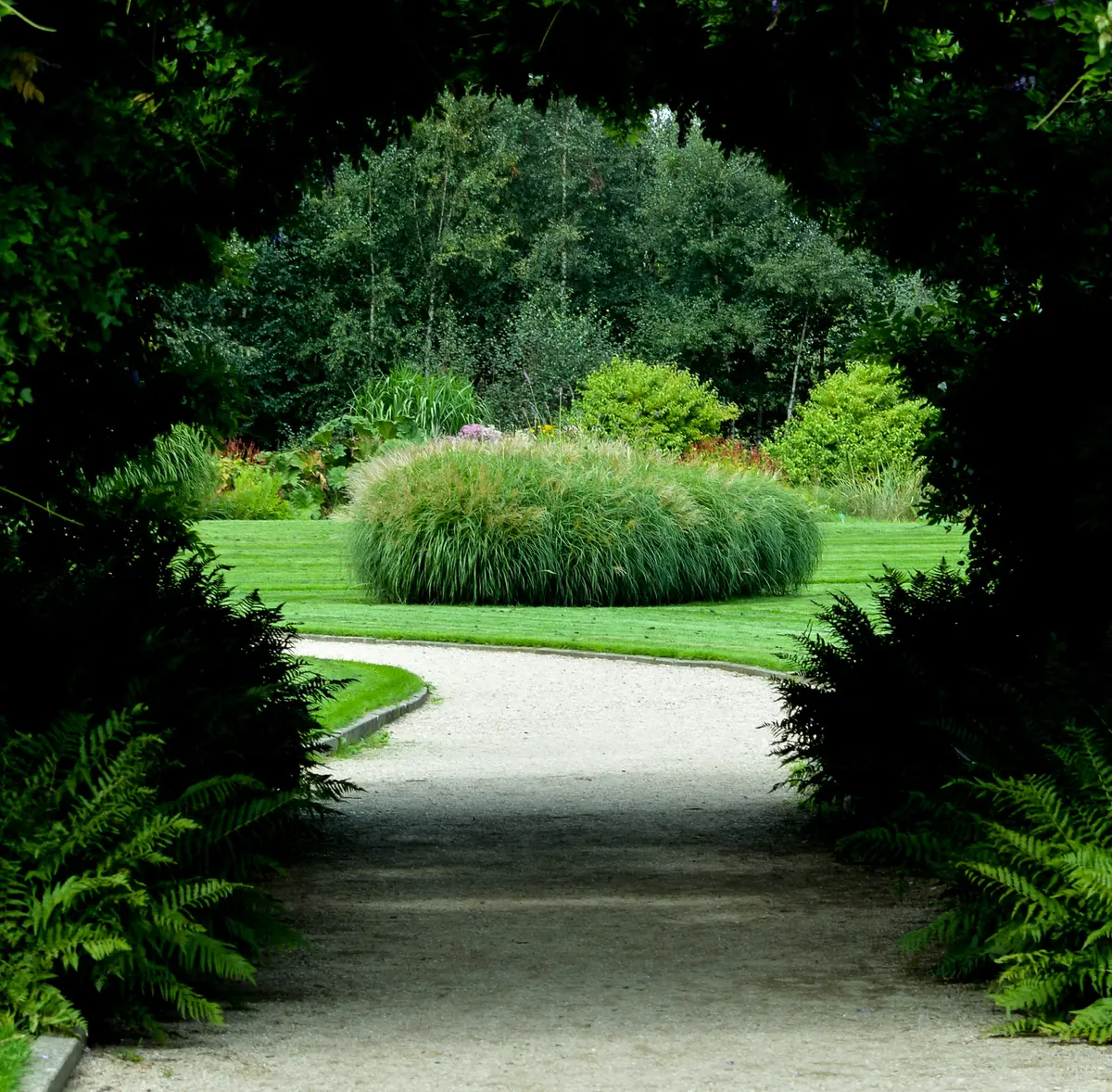
A winding path garden layout is one of the most romantic garden layout ideas, because a path that curves out of sight makes even a small yard feel like it goes on forever. Gravel or stepping stones wind between drifts of flowers, past a bench, and around a shrub, so every few steps reveal something new. Winding gravel paths are one of the most-saved garden trends on Pinterest for 2026, and they cost very little to build.
You will need a path material such as gravel, stepping stones, or bark, plus edging to hold it in place and plants to spill over the edges. A 30-foot winding path costs about $60 to $200 in materials, depending on whether you choose gravel or stone.
Lay out the path with a garden hose first, and walk it before you commit — the curves should feel natural, never forced. Make the path at least 36 inches wide so two people can stroll side by side, and plant low flowers along the edges so they soften the hard line. Put a bench or a focal plant at each bend so there is always a reason to keep walking.
Tip: Let one plant, like creeping thyme, grow between the stepping stones so the path smells wonderful and looks soft underfoot.
*Variation:* Add low solar lights along the curves so the winding path glows after dark and guides evening strolls.

29. Four-Season Garden Layout
A four-season garden layout is one of the smartest garden layout ideas for anyone who hates a bare winter yard. The plan layers plants by season — spring bulbs, summer perennials, fall grasses, and winter evergreens — so the garden has something to show in every single month of the year.
You will need plants for all four seasons: bulbs for spring, perennials for summer, asters and grasses for fall, and evergreens plus red-twig dogwood for winter. A four-season border costs about $150 to $400 to plant, spread over two or three seasons as your budget allows.
Start with the winter structure — evergreens and shrubs with colored bark — since they carry the garden when nothing else is growing. Add spring bulbs in drifts under the shrubs, summer perennials in the middle layer, and ornamental grasses at the back for fall color and winter texture. Leave the grasses standing through winter; their seed heads catch frost and look beautiful on cold mornings.
Tip: Photograph your garden once a month for a year — four-season garden layout ideas start from knowing exactly which months look empty.
*Variation:* Add a winter bird feeder in view of a window so the garden stays lively even when the plants are resting.
30. Family-Friendly Garden Layout
A family-friendly garden layout is one of the kindest garden layout ideas, giving everyone in the house a corner of their own. A lawn patch for play, a small vegetable bed kids can plant themselves, a shady seat for grown-ups, and a fire pit for evening gatherings — plus an evening garden party zone, which Pinterest reports is up 210% this year as families move dinner outside.
You will need a small lawn or play area, one raised bed for kids, a seating set, and a fire pit or chiminea. A family garden layout costs about $200 to $600, and you can build it in stages over a summer or two.
Keep the center open for play, and push the planting to the edges where it frames the space instead of blocking it. Give kids their own small bed with fast, fun crops — sunflowers, cherry tomatoes, and pumpkins — so they learn to love the garden by eating from it. Put the seating where you can watch the play area, and keep the fire pit on a paved or gravel patch well away from the beds.
Tip: Plant a sunflower wall along one fence — it grows 8 feet tall in a season, gives kids a secret hideout, and costs almost nothing.
*Variation:* Add a simple mud kitchen (an old table, some pots, and a water jug) in a corner so little ones can play gardener for real.

Frequently Asked Questions
How do I plan a garden layout?
Start by watching your yard for a week: note where the sun falls at morning, noon, and evening, where water pools after rain, and where you naturally walk. Sketch the space on paper, mark the sunniest spots for vegetables, the shadiest for seating, and draw paths before you place a single plant. These garden layout ideas all start from that same simple sketch, so take your time with it.
What is the best garden layout for a small yard?
The best garden layout for a small yard zones the space into a growing area, a sitting area, and one connecting path. Use raised beds or containers for growing, vertical trellises on the fences for extra planting, and one compact seat instead of a full set. A small yard feels bigger when every zone has a clear purpose and nothing blocks the path between them.
How wide should garden paths be?
Main garden paths should be at least 36 inches wide so two people can walk side by side and a wheelbarrow can pass. Secondary paths between raised beds need the same 36 inches for comfortable access, while a narrow stepping-stone path can be 24 inches wide. Wider paths also make the garden feel more generous, even in a small yard.
How much sun does a vegetable garden need?
Most vegetables need at least 6 hours of direct sun a day, and fruiting crops like tomatoes, peppers, and cucumbers do best with 8 or more. Leafy greens and herbs can manage with 4 to 6 hours. Place your vegetable beds in the sunniest part of the yard, with tall plants on the north side so they never shade the shorter ones.
How do I lay out a raised bed garden?
Keep each raised bed no wider than 4 feet so you can reach the middle from either side, and make the beds 8 feet long for the best use of space. Leave 36-inch paths between beds for a wheelbarrow, orient the beds east to west for even sun, and put tall crops on the north side. Group plants by water needs so watering stays simple all season.
Conclusion
A good garden layout is not about having the biggest yard or the rarest plants — it is about making smart choices that fit your space, your sun, and the way you actually live. Pick one or two of these garden layout ideas that match your yard, sketch them on paper, and start with the smallest version you can build this weekend. Your garden will grow with you, season after season.
Save this guide to Pinterest so you can find it again when planting season starts, and share it with a friend who is staring at a blank yard and wondering where to begin. The best garden is the one you start today — and the layout you choose now is the plan that makes it all possible.




Leave a Reply